
By Sharmila Hamal and Archana Chudal
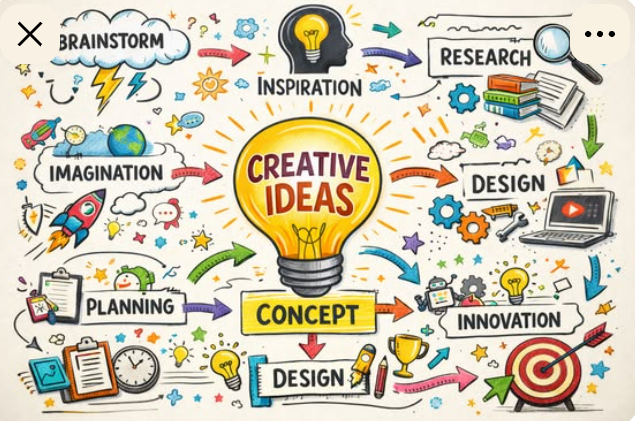
We are very much excited about workshop of Design Thinking which was held on Oct 1st and 2nd .There is a truly great and important start up with Laurea SID, where we learn about actually how design thinking goes practically. Through out the whole sessions we learn to collaborate with each other, understanding ideas, group works make us more enhance to be creative. Not only by theoretical concept but also hands-on practice make us more understandable about Design Thinking. Working in group brings us different perspectives with innovative solutions to any problem.
Introduction phase–
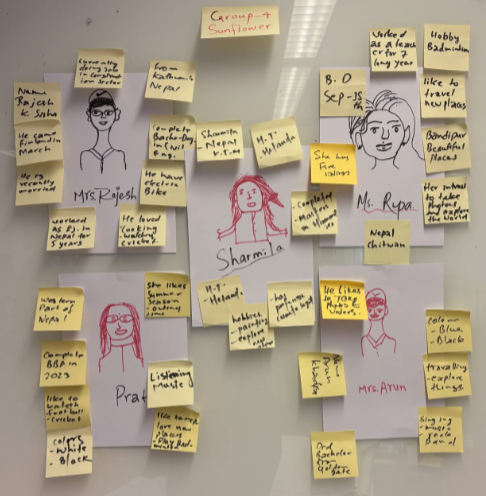
At first the main focus is on the question “What is Design Thinking?” – Design Thinking in as many aspects it is human-centred approach used for solving problems. Here as well as we understood Design Thinking is a strategy which is frame by discipline, creativity, innovation, research, empathy, produce, review, evaluation which we human can practice like creating solution in systematic process.
CONTACT DAY 1 AND 2 – OVERVIEW –
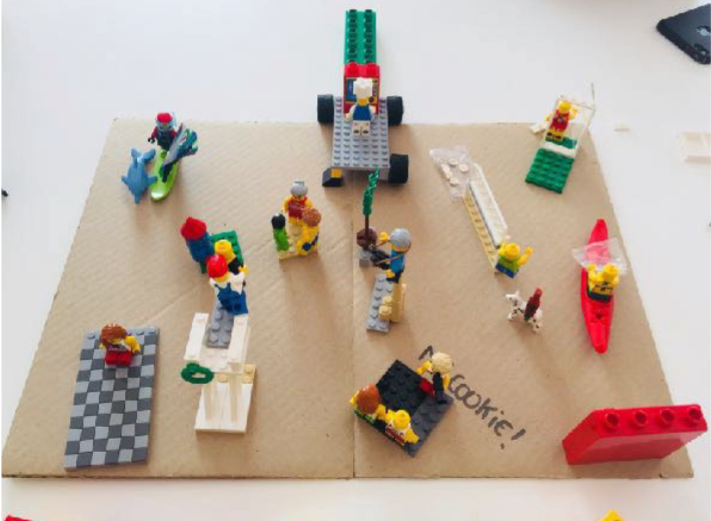
LEGO- PROTOTYPE
Critical Analysis of Literature –
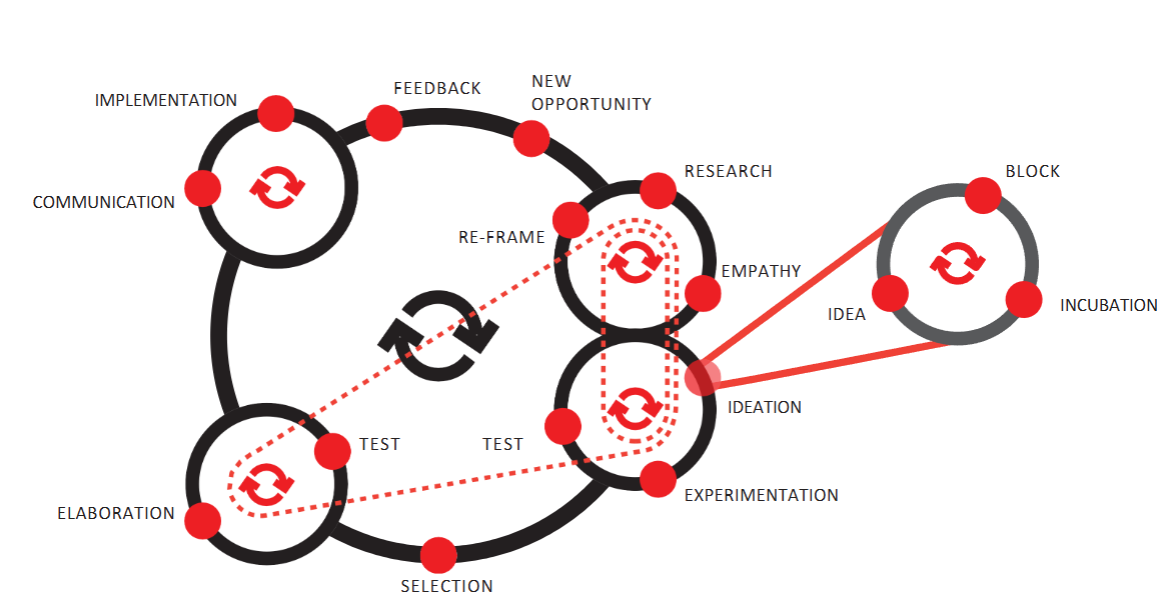
The article Design Thinking – Past, Present and Possible futures by Johansson-Skoldberg, Woodila and Centinkaya 2013 provides a critical perspective on the development and meaning of design thinking. One of the most important insights is that design thinking has different viewed simply as a method for generating creative ideas, but as a broader approach with theoretical foundation and different applications.Another important highlight is the relationship between theory and practice, Like as we all practice in our workshop day.
In second article, Design Thinking Comes of Age – indicate the way of solving problems by understanding peoples needs and finding new ideas. In the past, it was mainly used to design products. The main concepts is that company or organization uses design thinking to understand people, encourage creativity, improve teamwork, solve problems, and develop better solutions so that business or product becomes more innovative and customer focused.
A book by Mootee, Idris – Design Thinking for Strategic Innovation elaborates how a creative person can involve to make a great innovation and build unique design through strategic mindset. The concept of writer pushes leadership with a creative idea and innovative over view with competitive strategy. Yet author put a lots of aspect like as design thinking is largely beneficial while using innovation as a tools for business strategy. As well as the subtitles its self promise – What they cannot teach you at business or design school, more about human-cantered, creative exploration, business discipline, cultural challenges and leadership etc. In conclusion, Mootee visualized about how business management works, marketing strategy, more over about design strategic applied by the help of tools like innovation and creativity.
References –
Mootee, Idris (2013) Design Thinking for Strategic Innovation: What They Can’t Teach You at Business or Design School. Wiley.
Johansson-Sköldber, U., Woodilla, J. and Çetinkaya, M. (2013). Design Thinking: Past, Present and Possible Future
Links to an external site..
Links to an external site. Creativity and Innovation Management, Vol. 22, Nr. 2. 121-146.
Kolko, J. (2015) Design thinking comes of age. The approach, once used primarily in product design, is now infusing corporate culture.
Links to an external site. Harvard Business Review September 2015, 66-71.


Leave a Reply