

Tim Brown, in his book Change by Design (100% recommended), urges a global change by what he calls Design Thinking.
Tim proposes to the world a new way to face the upcoming challenges, the small but also the big ones. A new way of redesigning the world. He offers a tool usable for every person to solve any problem in a creative, innovative and effective way.
He has been designing things every day during his whole professional life and that’s why he analyses the way designers thinks each time they have to face an assignment, a problem to solve, a question to answer.
This metal process, this mindset, this way of thinking is what he calls design thinking (in lowercase) and seems to be simply the way designers think and work in every project.
This mental process always follows the same scheme, the same stages in broad terms. This structured process, consolidated in the design sector as a practical and effective methodology to achieve the established objectives, is what he proposes as a framework to deal with any challenge to improve the world whatever its nature.
So this process abstracted and subsequently converted in a tool that could be used in every situation is what he calls “Design Thinking” (now with uppercase)
Brown sustains that everyone can solve wicked problems using Design Thinking (DT) as a toolbox even if you are not a designer. That’s why DT is an open source tool that can be applied in different disciplines. Even more if those disciplines lack creativity.
Tim Brown urges designers to play a bigger role than just creating cool, fashionable objects. He urges to think big, he calls for a change to local, collaborative, participatory “design thinking” as the 19th-century design thinker Isambard Kingdom Brunel did.
Think Beyond and think GLOCAL
While it is true that it is necessary to face small or big issues that influences everyone with DT methodology, on the other hand it is also true that we must do it with a positive global transformation purpose while working locally.
This balance between global and local is called Glocal.
Common sense helps us realize that the resources in this world are finite and inequality is not the path to progress.
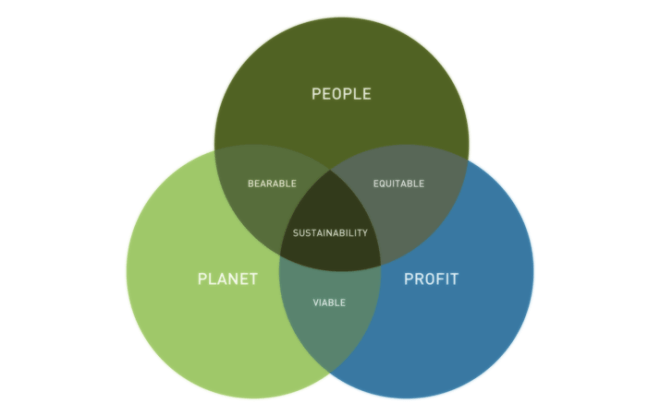
DT, innovation and creative problem solving lose effect if we do not use design in order to transform our world with a triple purpose: economical, social and environmental.
Make it convivial.
Also design is needed to be more generative. We must involve users in the design process. Because they are experts of their own experience, we cannot just ask them, observe them or let them take part just in some project stages.
We are to give everyone the opportunity to design by our side.
We should bring the people we serve through design directly into the design process to ensure that we can meet their needs and dreams for the future.
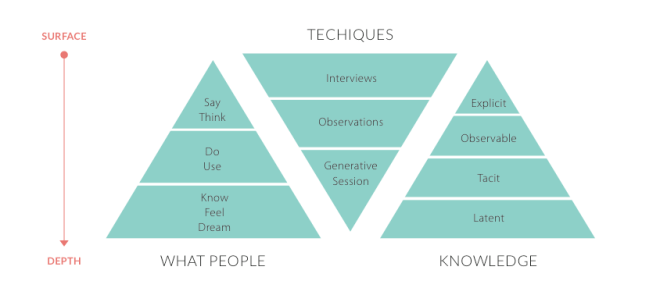
Now we have techniques to help users to recognize, construct and express their knowledge about their own situation in ways that can be used in designing services that are supposed to fulfill their needs (Elizabeth Sanders & Pieter Jan Stappers 2012).
Learning Design Thinking by Developing
During my last three years I’ve lead many workshops with clients and users as a service designer in rrebrand. Meanwhile I have trained many people in Design Thinking methodologies and skills.
For this reason I have experienced many similar learning methodologies such as “learning by doing”, constructivism and also constructionism’s “learning by making” and I was so excited to dive into Laurea’s Learning by Developing methodology.
Laurea’s SID degree programme started this year with a master class about Practical Design Thinking with Katja Tschimmel and Gijs van Wulfen.


First I have to say that I really enjoyed it and I learned so much from our two guest lecturers and from my classmates. It really was very interesting to live the whole experience of applying the Design Thinking Tools in a concrete case as we were learning them.
Maybe some extra time for discussing in order to fix knowledge at the end of each practice would have been desirable towards improving the two days session.
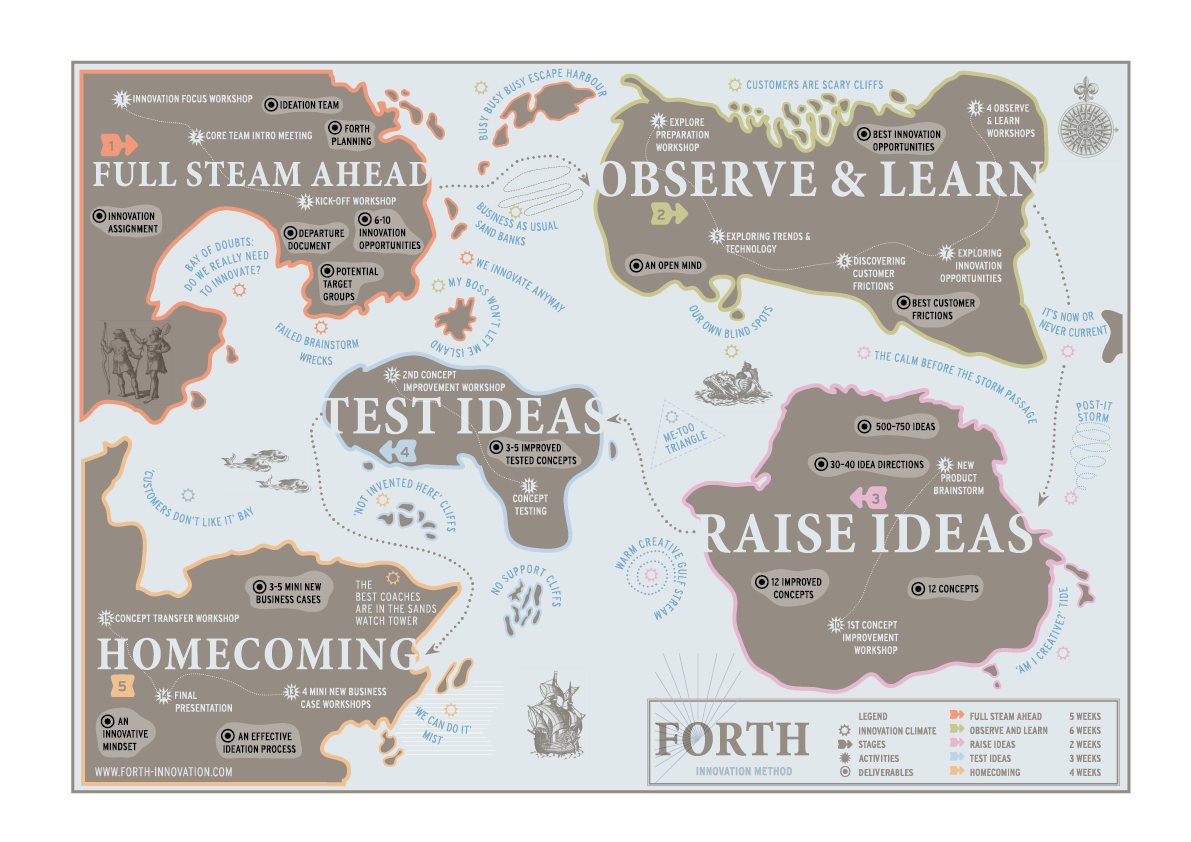
Gijs van Wulfen invited us to join The Innovation Expedition, the Forth methodology to innovate. It was very interesting to see how you can push your ideas to become a real project and how to take them to implementation stage. However Forth innovation method seems to be more appropriate for the in company innovation process of big companies.
On the other hand, Katja Tschimmel approach to Design Thinking appeared to be a more open minded vision, introducing different Design Thinking models and different tools to use in each context, situation and stage of the design process. I felt more confortable with Katjas vision because of the holistic and adaptive approach.
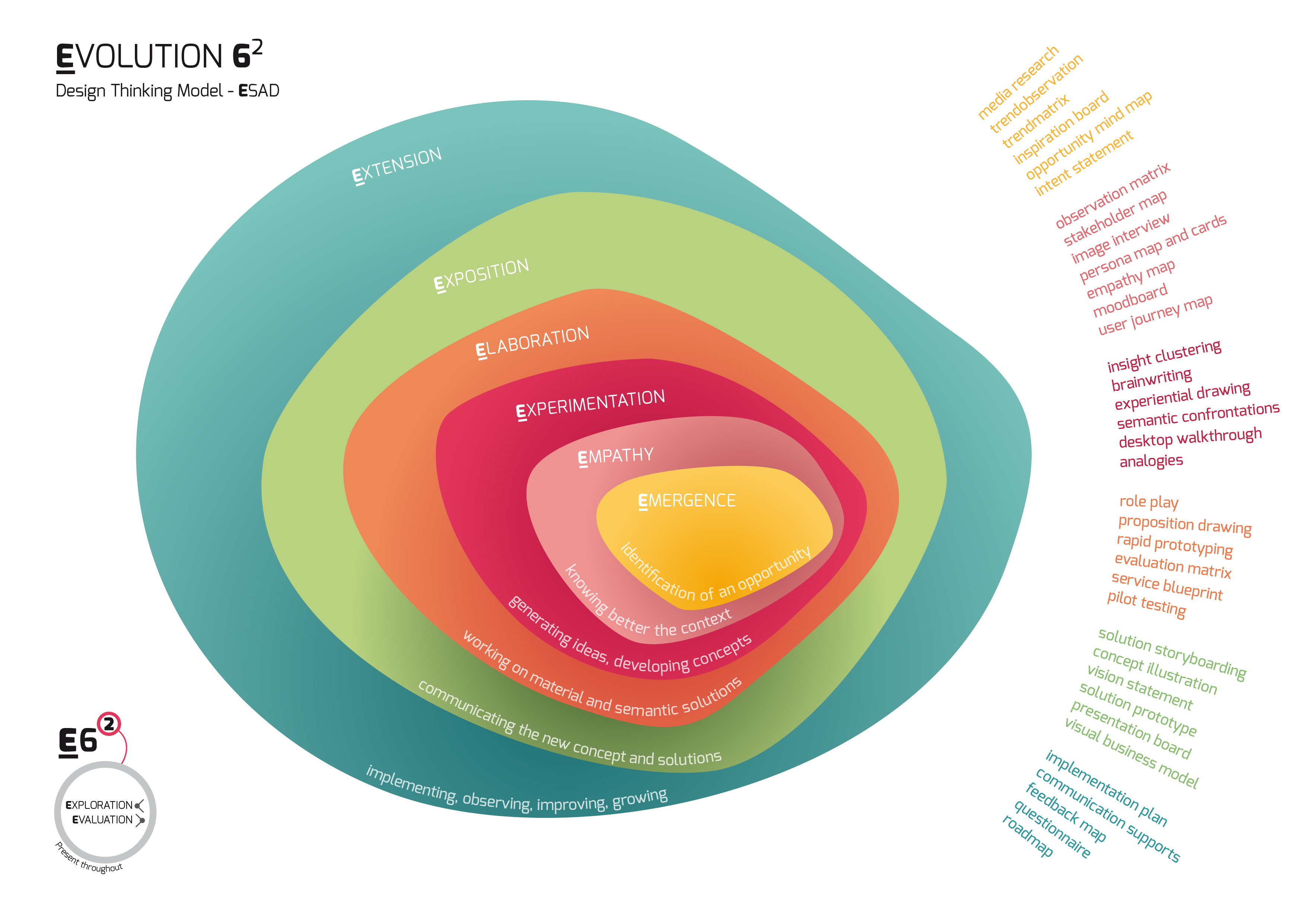
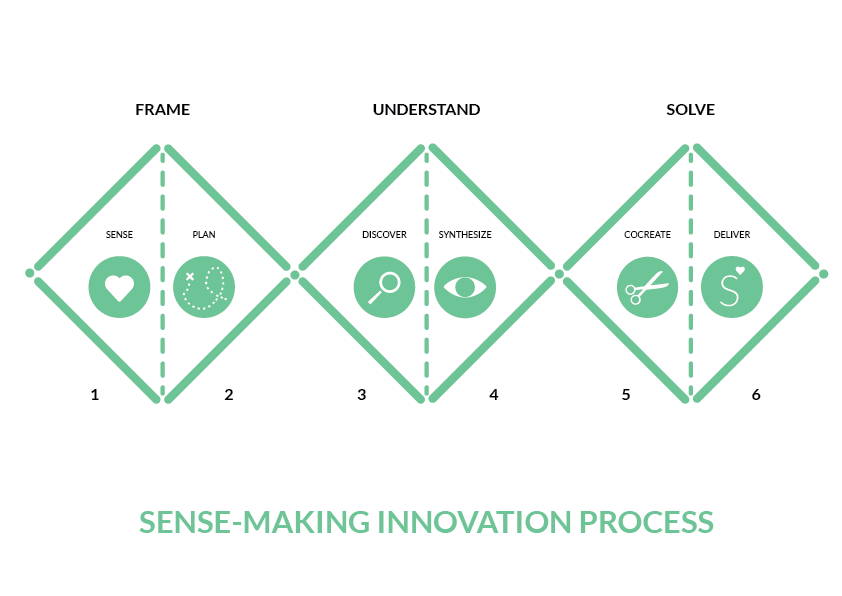
Sensemaking innovation.
Every DT model I face seems to lack the same stage for me.
I really believe that we should innovate for a better world, not just for the isolated fact of innovating.
I think that before facing any design assignment we should ask ourselves about the driving motivations, the deep sense of the issue. The first stages of any innovation process should begin with questions: like what for? What is driving you? What are the individual and collective experiences that build yourself?
Every person, every company innovates the way they really and deeply are.
We must know what is inside. What is giving us sense.
Nowadays any form of innovation needs to ad a sense stage to the process.
At rrebrand we call it Sensemaking Innovation.
By Luis Miguel Garrigós, MBA SID Laurea 2014
References:
Tschimmel, K. (2012). Design Thinking as an effective Toolkit for Innovation.
Brown, T. (2008). Design Thinking. Harvard Business Review.
Brown, Tim 2009. Change by design: how design thinking can transform organizations and inspire innovation. New York: HarperCollins Publishers.
Sanders, Elizabeth & Stappers, Pieter Jan 2013. Convivial Toolbox: Generative Research for the Front End of Design. Amsterdam: BIS Publishers.
van Wulfen, Gijs 2013. The innovation expedition – a visual toolkit to start innovation. Amsterdam: BIS Publishers.


Leave a reply to jaakkokahari Cancel reply