

We tend to approach problems with the expectation that there is a right answer. What happens when a problem has no single right answer at all? That was the central question of Katja Tschimmel’s Design Thinking masterclass. Rather than seeing innovation as a race to a solution, the class looked at how we actually understand a problem in the first place.

Complex problems often have multiple possible paths rather than one correct solution.
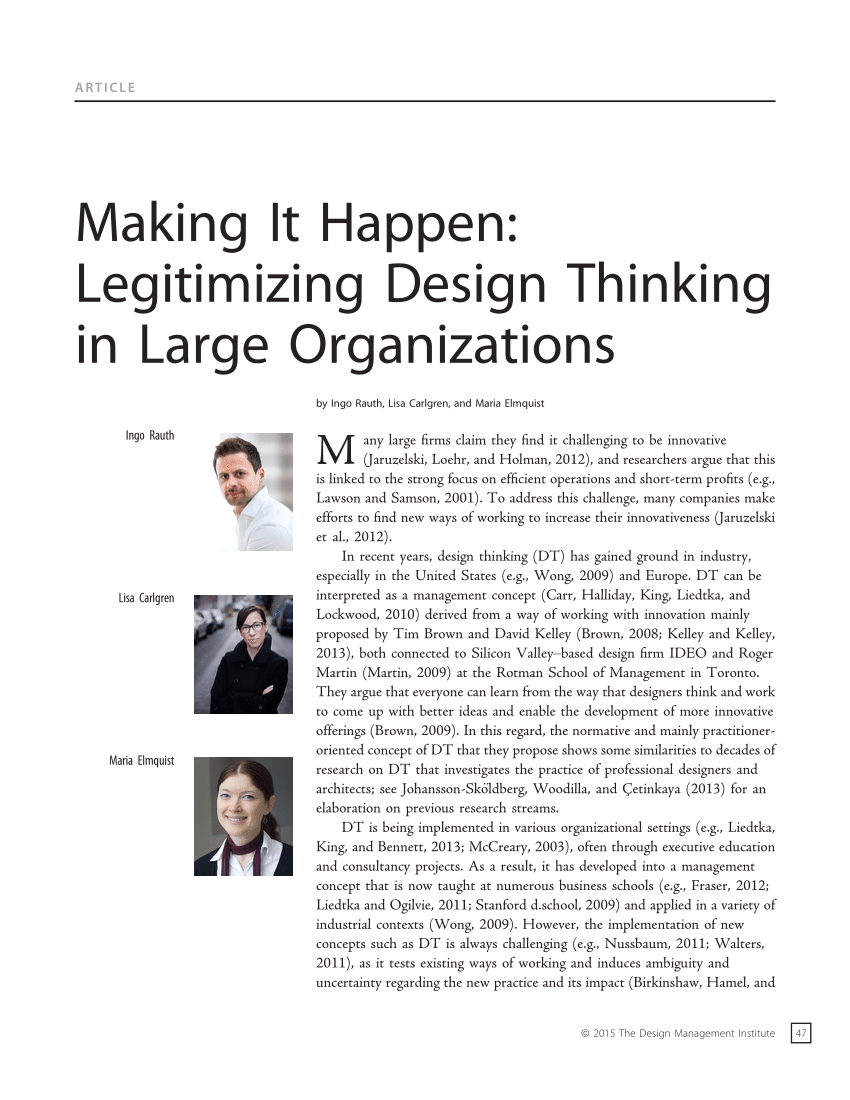
The one thing that really stuck with us was the concept of ‘wicked problems’. They’re not the same as a simple technical problem. A wicked problem is one with competing demands, with uncertainty and consequences which can’t be simply judged as right or wrong. Take the example of improving public transport. You might add more buses which would be good for some people, but that might well increase costs or create other problems.
Carlgren, Rauth and Elmquist (2016) identify problem framing and user focus as two of the key themes in design thinking. The way you frame a problem determines the set of possible solutions. A good question can completely change the course of a project prior to any design decisions being made at all.

We saw the value of questioning in a session where we looked at a photo of plants growing in a concrete structure. Rather than just seeing it and moving on we generated a number of questions: Why are the plants there? Who built the structure? What does the image mean? One image led to a number of possible interpretations.
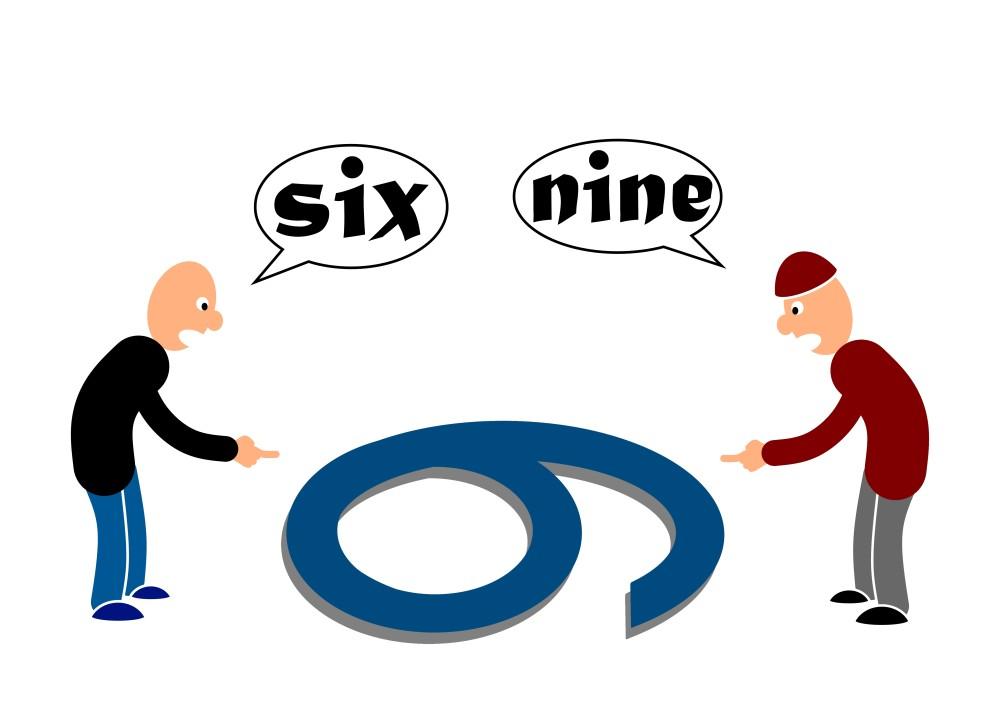

Looking at the same situation from different perspectives can lead to new questions.
Kouprie and Sleeswijk Visser(2009) provide another lens through which to view empathy in design. They talk about engaging with people’s experiences and at the same time stepping back to reflect. The photograph exercise reminded us how easily we can make assumptions without knowing the full story. This also connects with empathy in service design, where understanding people’s experiences requires listening to them rather than relying only on our own interpretations.

The masterclass also introduced visualisation and different design thinking process models. One example was a culinary process map, which showed how different activities are connected. This helped us understand how visualising a process can make complicated ideas easier to follow. We also explored models such as the Double Diamond and Tschimmel’s Evolution 6² model. These models helped us see that design thinking involves understanding problems, exploring ideas, testing possibilities, and improving solutions rather than simply following a straight path.
Liedtka and Ogilvie (2011) make it practical in Designing for Growth through four questions: What is? What if? What wows? What works? I find that sequence very useful as it links curiosity with action. Better questions are essential but ideas also need to be developed and tested.
In future service design projects, this means spending more time understanding people’s actual experiences before deciding what kind of solution they need. Looking back, the biggest shift in our thinking was in coming to terms with uncertainty. It’s about questioning your assumptions and looking at the problem from different angles. The most valuable innovation may not start with “We know the answer” but with “Are we asking the right question?”
References
Carlgren, L., Rauth, I., & Elmquist, M. (2016). Framing design thinking: The concept in idea and enactment. Creativity and Innovation Management, 25(1), 38–57. https://doi.org/10.1111/caim.12153
Kouprie, M., & Sleeswijk Visser, F. (2009). A framework for empathy in design: Stepping into and out of the user’s life. Journal of Engineering Design, 20(5), 437–448. https://doi.org/10.1080/09544820902875033
Liedtka, J., & Ogilvie, T. (2011). Designing for growth: A design thinking tool kit for managers. Columbia University Press.
Tschimmel, K. (2026, October 1–2). Design Thinking Masterclass [Course presentation]. Laurea University of Applied Sciences.
Explore This Blog
Source : Design thinking – what, how, why, when? – Paweł Żebrowski – TEDTalk



Leave a Reply