
– Sharada Bhandari & Amrit Dhakal
Technology should not be conceptualized as the seed of innovation; it provides the suitable conditions that are most essential for innovative ideas to emerge and develop. Moreover, after understanding human frustration, we will be able to examine the existing technological aspects and identify how we can use the existing tools to address this human issue.
Design thinking is fundamentally a way of thinking that ties together empathy, creativity, and experimentation. It does not immediately jump to solutions but promotes a more in-depth involvement with the challenge area. Innovation is based on empathy because it allows the designers to experience the world from the perspectives of others (Brown, 2008). This paradigm shift is crucial, especially in cases of service innovation where the user experience is the determinant of success.
Among the most important lessons learned through the application of the design thinking process is the fact that what we mean by understanding users promotes data collection and involves active listening, observation, and interpretation. Latent needs may be implicitly expressed through stories, behaviors, and interactions, and are typically implied. This practice is similar to systems thinking, in which issues are perceived in relation to one another rather than being in isolation. When one considers various viewpoints into accounts, they can also examine several underlying problems, rather than focusing on the symptoms on the surface.
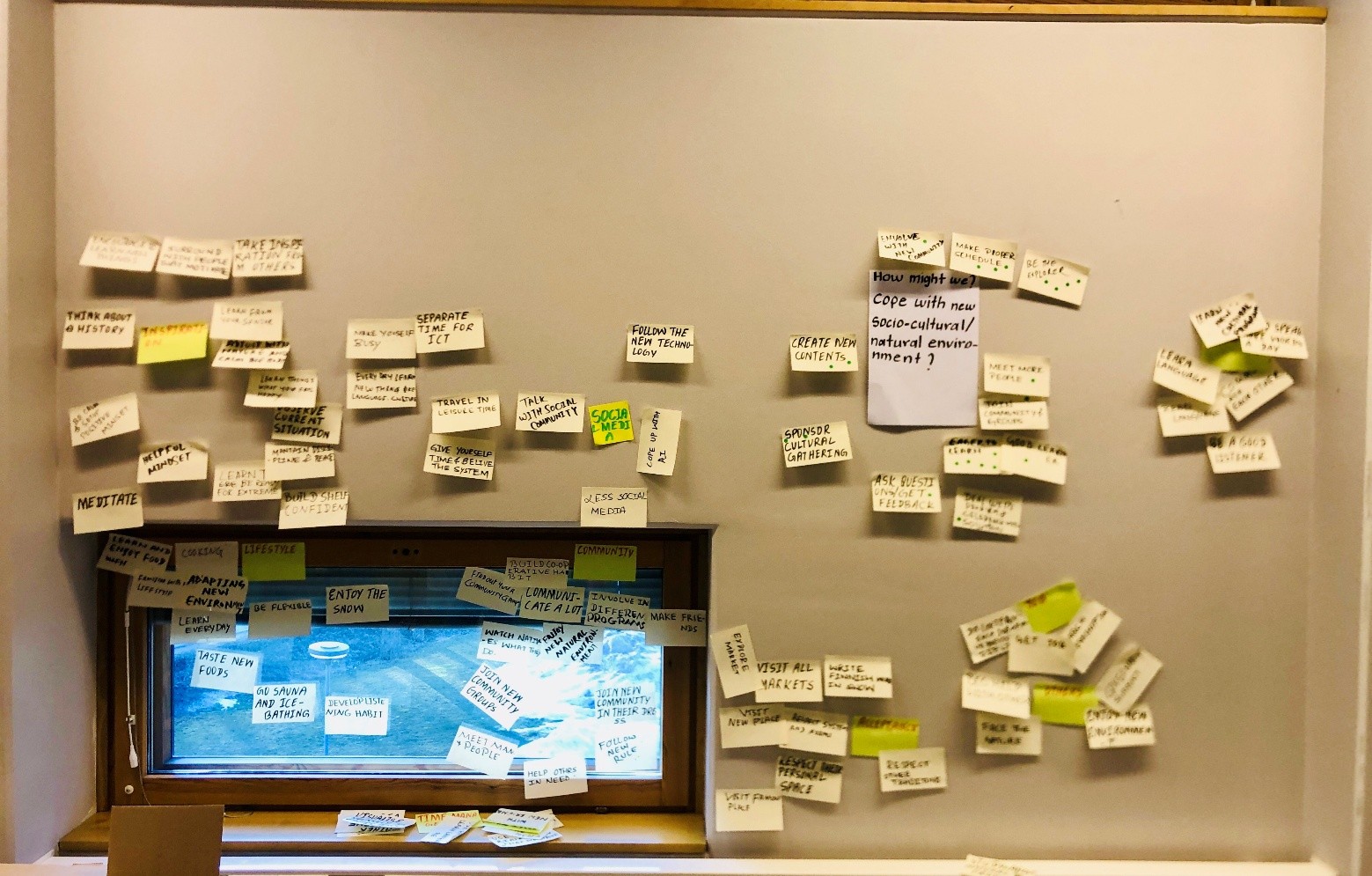
Desirability, feasibility, and viability are further essential from the perspective of design thinking dimensions. Brown (2009) argues that a winning innovation is at the cross-section of these three factors. Not only should the solution address the needs of human beings, but it should also be technically feasible and economically sustainable. This model is clearly applicable to service design, where concepts should be effectively applied to actual situations.
Design thinking creativity lies not in artistic gift, but in a rigorous investigation of possibilities. For instance, brainstorming can help to generate as many ideas as possible without judging them. Such transparency enhances creative confidence (Kelley and Kelley, 2013), for example, the capacity to believe in their own ideas and take risks throughout the innovation process. By having the security to be creative, people will tend to create something novel and influential.
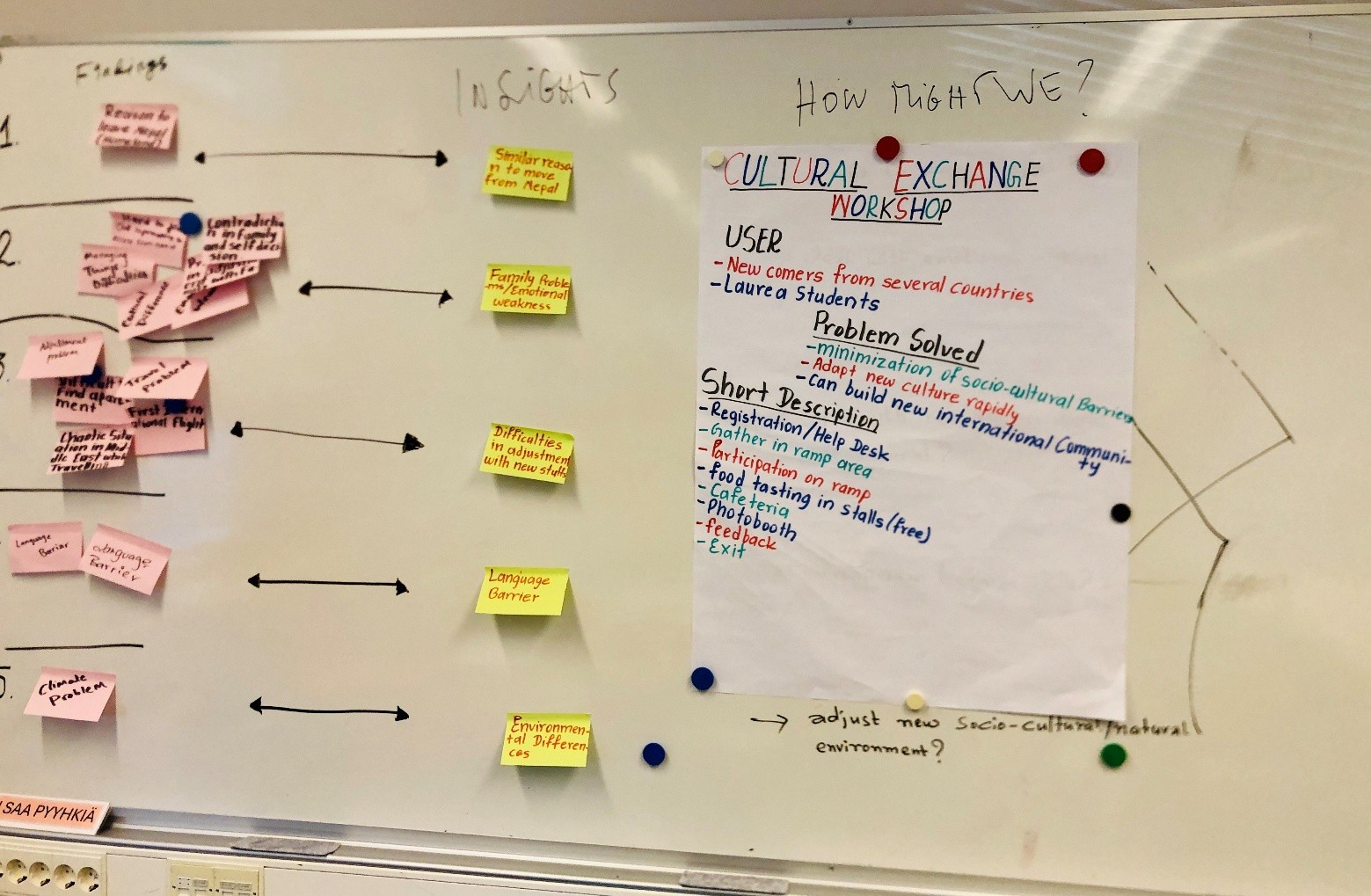
This strategy should undergo repeated replaying. One of the lessons of this strategy is that it should be replayed time and again. Ideas are not supposed to be ideal in the first place. They develop instead through trial and error as they are tested, refined, and revised. A significant portion of this cycle is the process of prototyping. It enables abstract notions to be made concrete as they can be judged and refined. Kolko (2015) states that rapid experimentation has the benefit of making assumptions testable by turning them into concepts.
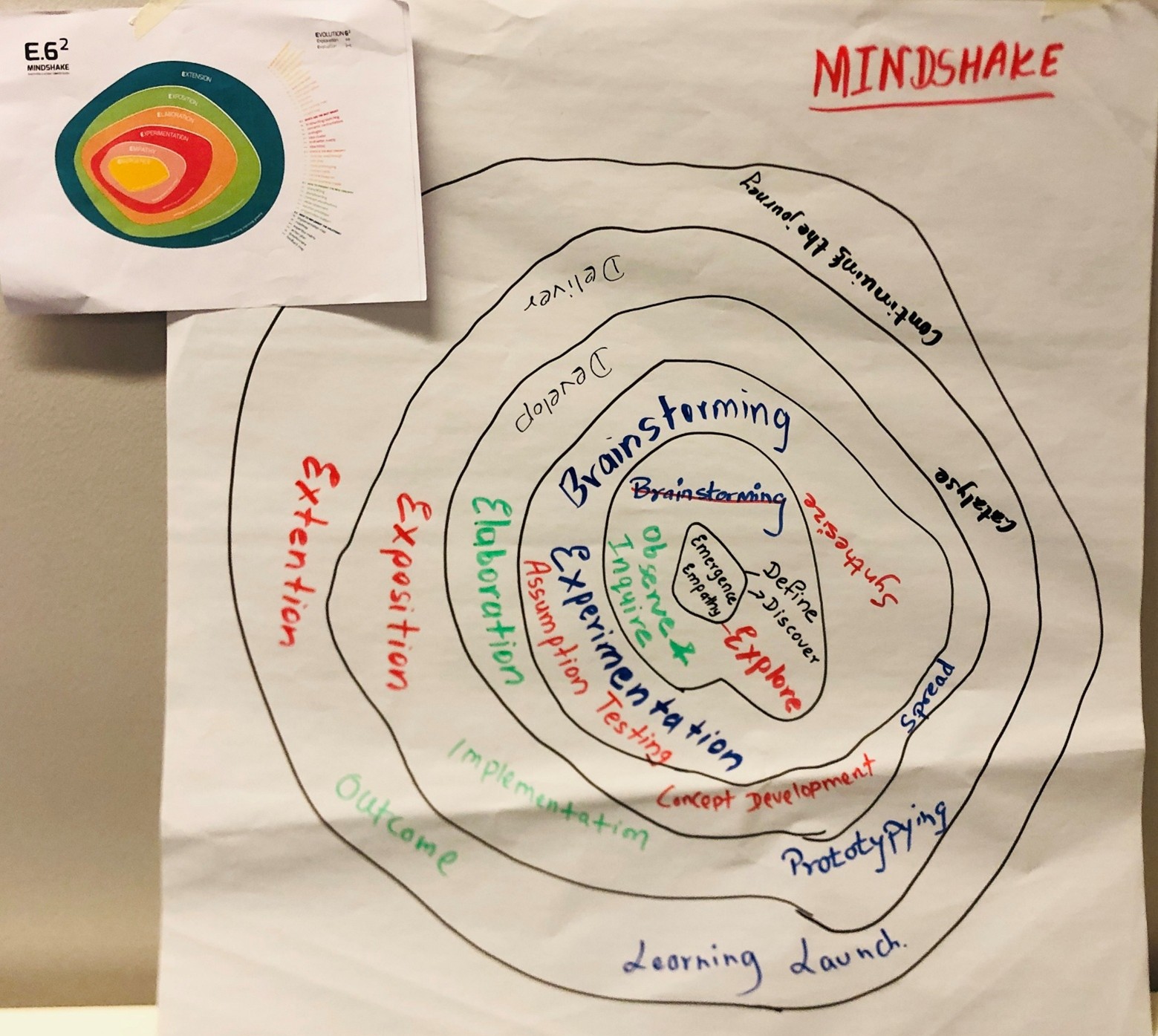
This iterative thinking is particularly useful when dealing with complex or so-called wicked problems – problems that are complex to define and which do not have a single correct answer. As Buchanan (1992) explains, the problems under consideration require resilient thinking and collaborative effort; design thinking offers a structured approach to navigating such complexity by fostering diverse idea generation and continuous learning.
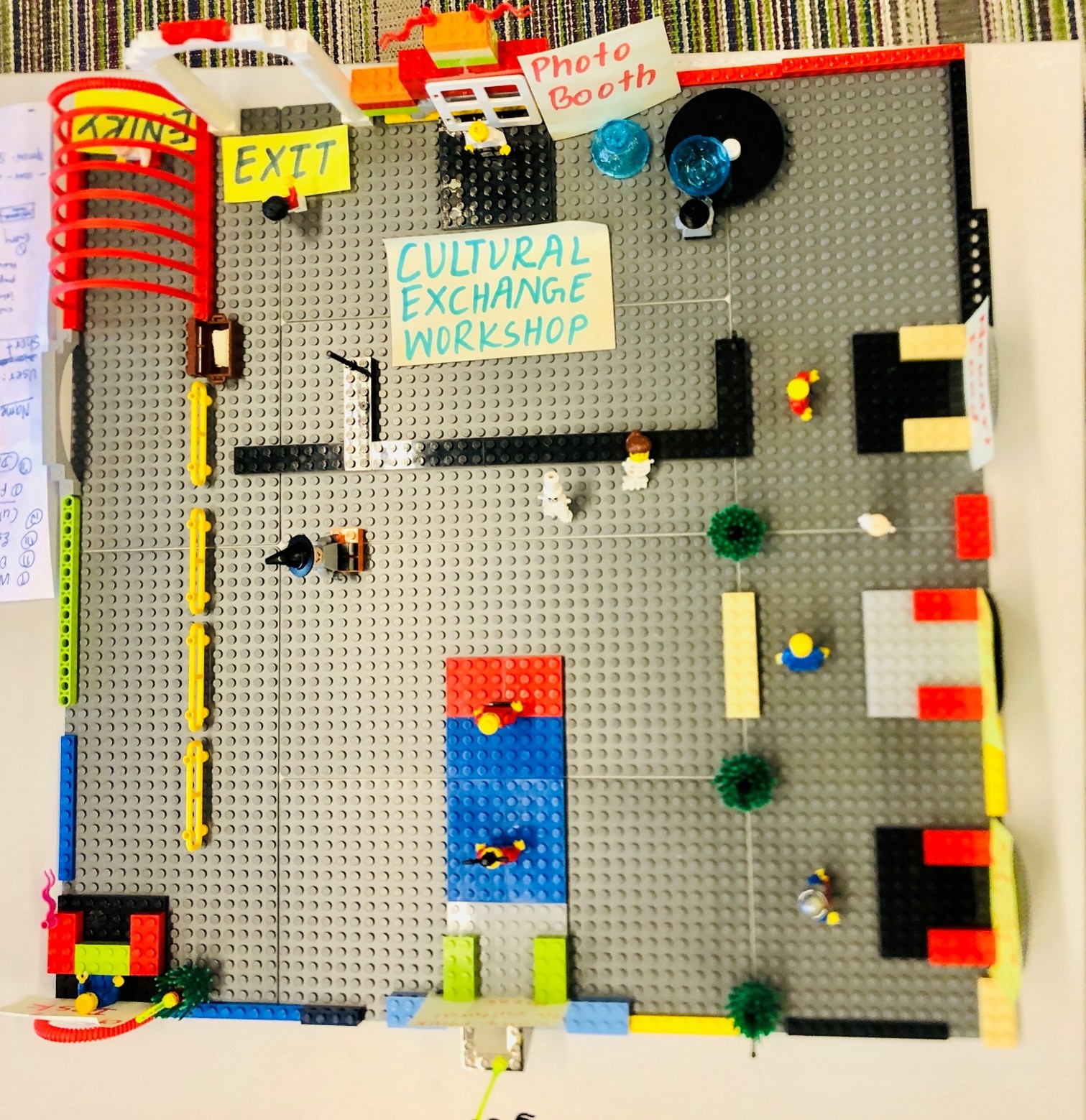
Regarding career, the principles are very applicable to in-service innovation and design. The trend in modern organizations is to find professionals who can think creatively, have a profound understanding of user needs, and respond quickly to change. Design thinking provides individuals with these abilities through a combination of analytical thinking and creativity.
More importantly, it brings a more advanced attitude of curiosity and toughness. They do not notice difficulties as a problem, but rather as a way to explore and develop. The views are crucial in the modern dynamic environments where innovativeness is not a single event but a nurtured process.
In a nutshell, design thinking provides a change in perspective on how to find a solution. It moves the emphasis to a step beyond seeking short-term solutions. It is based on empathy and contributed through experimentation, which allows for finding solutions that are not only successful but also meaningful.
References
- Brown, T. (2008) ‘Design thinking’, Harvard Business Review, 86(6), pp. 84–95. https://designthinkingmeite.web.unc.edu/wp-content/uploads/sites/22337/2020/02/Tim-Brown-Design-Thinking.pdf
- Gonen, Esra (2019) “Tim Brown, Change by Design: How Design Thinking Transforms Organizations and Inspires Innovation (2009),” Markets, Globalization & Development Review: Vol. 4: No. 2, Article 8. https://doi.org/10.23860/MGDR-2019-04-02-08
- Buchanan, R. (1992) ‘Wicked problems in design thinking’, Design Issues, 8(2), pp. 5–21. https://web.mit.edu/jrankin/www/engin_as_lib_art/Design_thinking.pdf
- Kelley, D. and Kelley, T. (2013) Creative Confidence: Unleashing the Creative Potential Within Us All. New York: Crown Business. https://medium.com/@lavya1523saidha/creative-confidence-unleashing-the-creative-potential-within-us-all-review-04c5e863a6a0
- Kolko, J. (2015) ‘Design thinking comes of age’, Harvard Business Review, September, pp. 66–71. https://cdn.fedweb.org/fed-42/2892/design_thinking_comes_of_age.pdf


Leave a reply to sundarlamsal Cancel reply