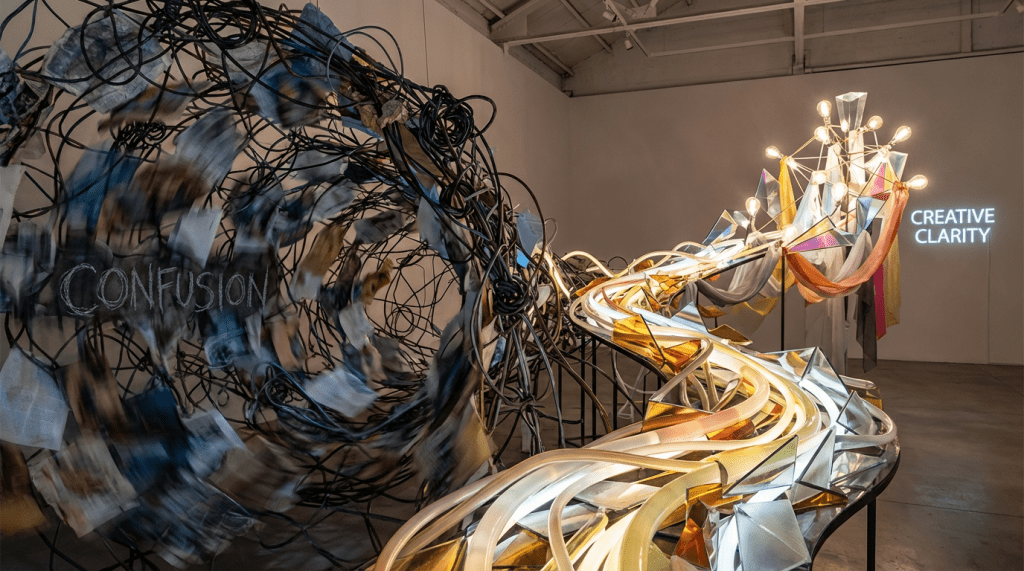
Installation showing a tangled mass labeled CONFUSION transitioning into a glowing path toward CREATIVE CLARITY.

From Confusion to Creation: Our Design Thinking Journey at Laurea

Niraj Adhikari and Jay Naresh Chaudhary

What happens when you walk into a class with no clear task—and walk out having built a service prototype? That was exactly our experience during two intensive and eye-opening days in the Design Thinking and Creativity course at Laurea University.
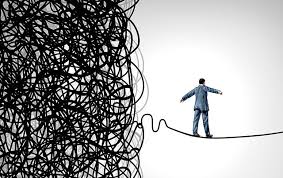
This striking art installation visualizes the messy journey from total confusion to a moment of brilliant creative clarity.

At first, the ambiguity was uncomfortable. There were no step-by-step instructions, no predefined outcomes. Instead, we were divided into teams of six and encouraged to ask questions, collaborate, and explore. Looking back, this uncertainty was not a flaw—it was the starting point of design thinking.

Embracing the “Messiness” of Design Thinking

As highlighted in the article Design Thinking Comes of Age(2015), design thinking shifts focus from pure functionality to user experience and emotions.
In our case, this meant stepping away from “what should we build? to who are we designing for and why?

Similarly, the second article Design Thinking: Past, Present and Possible Futures  by Ulla Johansson-Sköldberg et al emphasizes that design thinking is not a single method but a combination of different ways of thinking—problem-solving, meaning-making, and reflective practice.
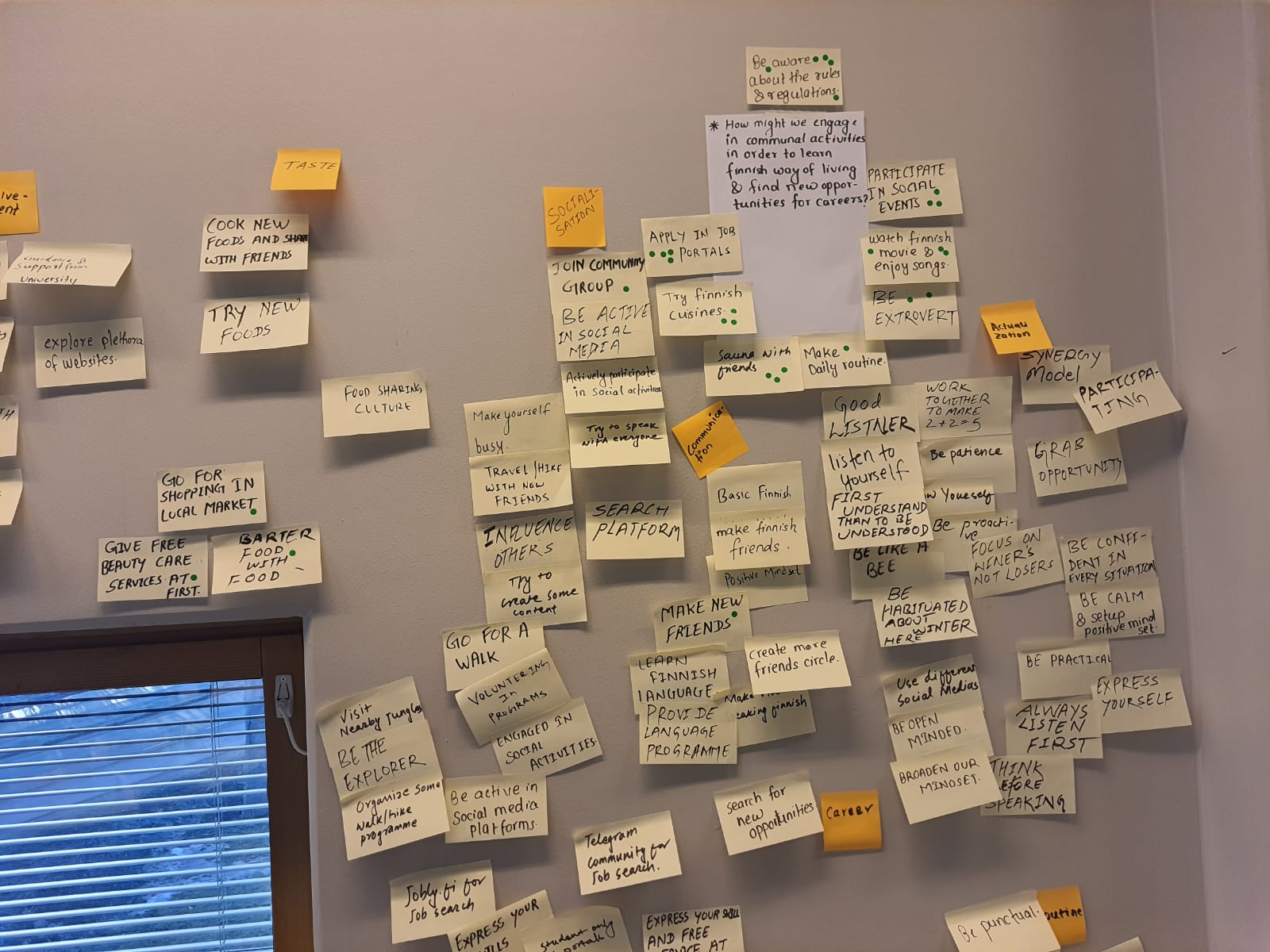
During the sessions, we experienced this firsthand. Our discussions were not linear. Ideas emerged, failed, evolved, and sometimes contradicted each other as we are group of six. This aligns with the concept of “wicked problems,” where challenges don’t have one clear solution but require continuous reframing.

Learning by Doing: Collaboration and Prototyping

Working in a diverse group of six was both challenging and enriching. Each member brought a different perspective, which pushed us to question assumptions and rethink ideas. Instead of debating endlessly, we were encouraged to visualize our thinking—through sketches, diagrams, and quick models.
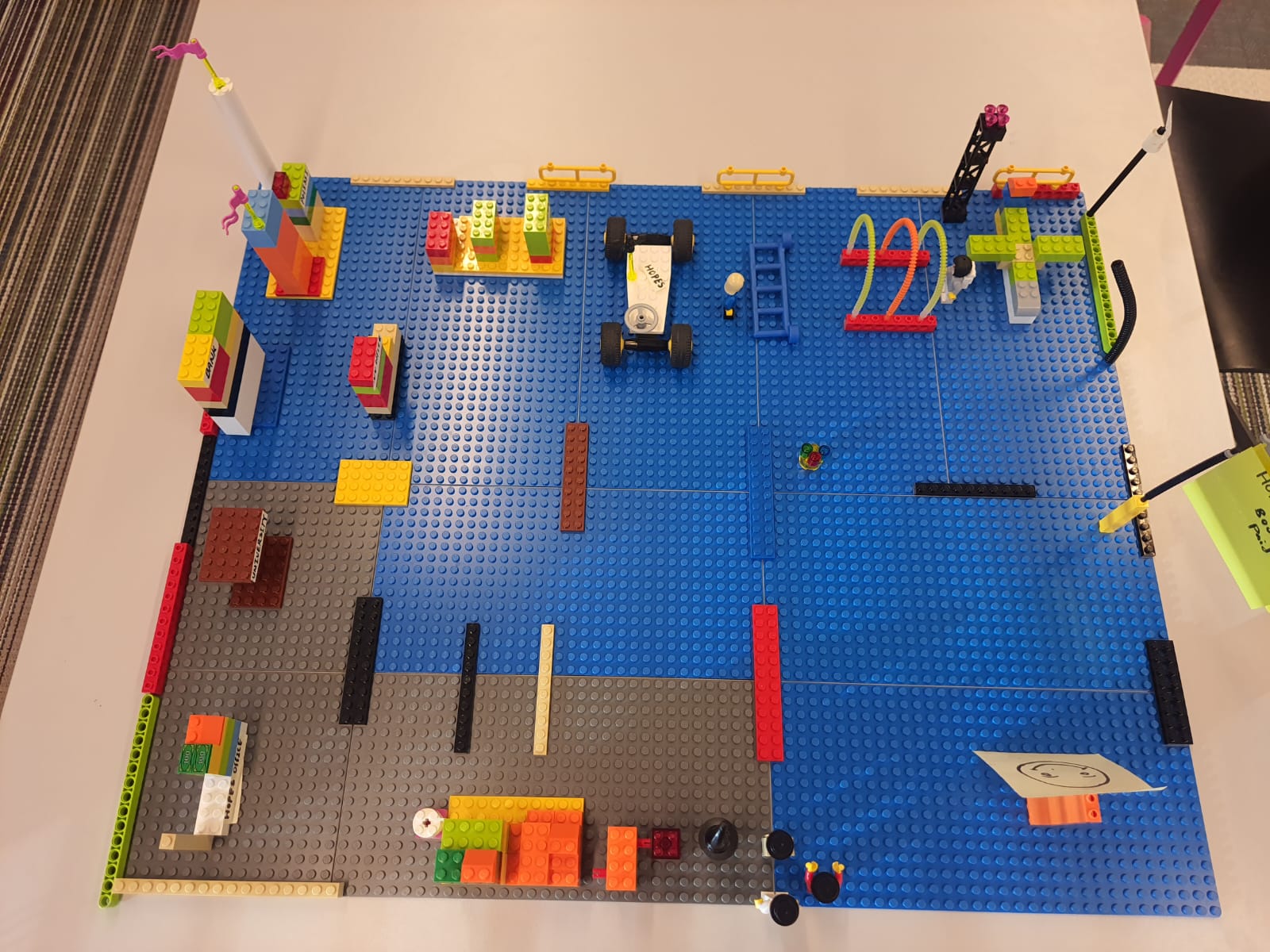
This reflects a key principle discussed in the article Design Thinking Comes of Age (2015): design thinkers use artifacts and prototypes to explore ideas rather than relying only on abstract discussions.

By the end of the class, we had created a small service prototype. It wasn’t perfect and that was the point. The process of building, testing, and refining mattered more than the final output.

Connecting Practice with Strategy

Our experience also resonates with insights from Idris Mootee’s book Design Thinking and Strategic Innovation (2013). Mootee argues that design thinking is not just about creativity but about shaping strategic innovation by deeply understanding users and experimenting with ideas.
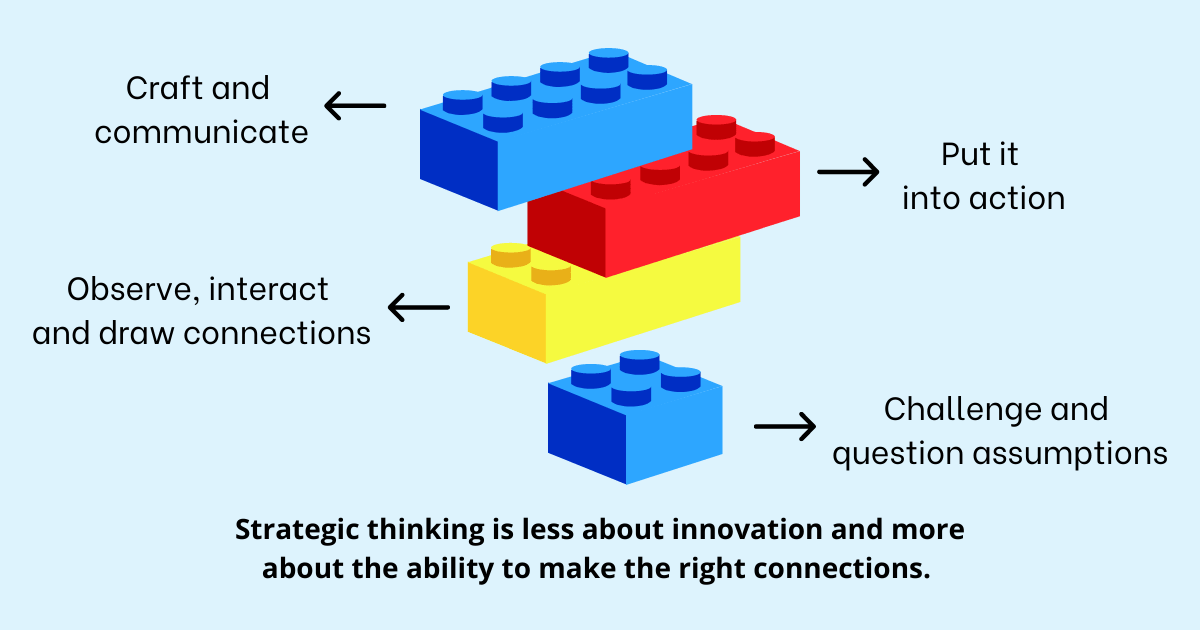
In our group work, strategy emerged organically. We didn’t start with a business model; instead, we built empathy, defined the problem, and then explored solutions. This iterative process reflects how modern organizations tackle complexity—by learning through action rather than planning everything upfront.

Reflection: What Did We Really Learn?

These two days changed how we see learning and innovation. Design thinking is not about following a rigid framework—it is about embracing uncertainty, collaborating openly, and being willing to fail and repeat.

Most importantly, we realized that:

  • Asking the right questions is more powerful than rushing to answers.
  • Collaboration creates richer solutions than individual thinking.
  • Prototyping turns abstract ideas into real insights.

As students of Service Design, this experience was more than just a classroom exercise. It was a glimpse into real-world problem solving. It showed us that innovation is not a straight path but a dynamic journey shaped by people, perspectives, and experimentation. And perhaps the biggest takeaway? Sometimes, not knowing the task at the beginning is exactly what makes the learning meaningful.

References


Posted

in

by

Comments

4 responses to “From Confusion to Creation: Our Design Thinking Journey at Laurea”

  1. rachanapoudel Avatar
    rachanapoudel

    I appreciate you being so honest about this. When I first went in, I must admit that I felt precisely the same way. To be honest, I had no idea what was happening or what would happen next, which made me anxious. At first, it was a little concerning to not have a clear path, and I believe that many of us felt that way but perhaps didn’t express it.

    I could truly relate to your description of that initial confusion because I experienced it myself. It was unpleasant to just try to understand the process while in the middle, but in retrospect, I believe the discomfort was precisely the objective.

    I became aware that something had changed for me personally after these two days of the program. I felt that I had a greater understanding of who I am, including how I think, collaborate with people, and tackle issues when there isn’t a clear solution. I didn’t anticipate receiving that from a workshop on design thinking, yet here we are.

    I was extremely impressed by your advice to ask the correct questions. To be honest, I am still finding that out. However, I believe that’s acceptable; perhaps it’s also a part of the process. Thank you both so much for writing this with such sincerity. It felt more like a genuine reflection than a school assignment, which made it simpler for me to reflect as well.

  2. sagarnpali106 Avatar
    sagarnpali106

    You have managed to perfectly articulate something which i’ve been struggling to fully express as well.When i first started the course Design Thinking’, i felt like you did, a bit unsure, but as i kept going, i realized this is actually valuable stuff.You clearly showed how messiness and uncertainty works as a catalyst for critical thinking and creativity.

    I admire your effort in gathering ideas from different articles and book and clearly extracting their key similarities with yours blog post.You have highlighted important aspects, such as ‘Design Thinking as core competence’ from the Harvard Business Reviewed article “Design Thinking Comes Of Age”, as well as ‘The value of combining multiple approach to problem-solving‘ from “Design Thinking: Past,Present, and Possible Future”

    Prototyping that you mentioned in this blog was truly important while we were doing workshop at Laurea University.Since i took that session as well, i think, including me, everyone who attended the two days sessions, are now able to begin ‘From scratch to the final outcomes’ and this is very crucial for everyone in real-world practices.

    Overall, both of your dedication and effort in writing this blog post are insightful and all the pictures in your post, best illustrates what you are trying to elaborate and the perfectly align with your narratives.This post is a testament to how creativity, reflection and collaboration can lead to something remarkable.

    Thank You!

  3. nishmabasnet Avatar
    nishmabasnet

    I really enjoyed reading your blog post! I can relate with your situation as described in the beginning of this post, as I felt a bit confused upon entering the class without knowing what to expect as well. However, that confusion was in fact, the beginning of the entire learning process, just as you said.

    I also like how you described that design thinking is not about strict steps but rather about having the right questions and working together. Your comment on prototyping was also quite useful, as it reminder me that we do not have to have an idea of a perfect thing to being work on it. We simply have to start and better ourselves in the process.

    Your personal experience was also very well connected to the readings in Mootee and Kolko. It made the blog seem more intelligent and not a summary of what has happened in the classroom.

    This is a very honest reflection on the whole. Thank you for sharing!

  4. sabitashrestha04649091d3 Avatar
    sabitashrestha04649091d3

    Creating a blog post on a specific topic like “From Confusion To Creation; Our Design Thinking Journey At Laurea” is a challenging job yet your reflection effectively showcases how uncertainty can develop on meaningful learning, specially through the connection to the idea of “wicked problems” by Ulla Jhonsson-Sköldberg and colleagues. What makes your writing particularly impactful is the sincerity in which you express the initial confusion.

    Actually, this sense of not knowing what to expect is widely experienced but rarely expresses so clearly. This shows that, how discomfort can in fact encourage deeper involvement and spark creativity. It is interesting to see how you highlight the importance of asking meaningful questions, engaging in prototyping and collaborating with others.These aspects closely reflect the perspective of Jon Kolko and Idris Mootee, specially the view that innovation develops through iterative process rather than fixed planning.

    Overall, your reflection goes beyond simply recounting classroom experience and instead reveals authentic personal growth, specially in how you handle uncertainty and work within a team.

Leave a comment