

Note by Bijaya Tamang & Rachana Poudel
Everything which we try to create, starts from a crap and enlighten us that we are learning.
Trust the Process
All tasks have a start and an end. It means, from the beginning till the end or completion of the task or project there should be a lot of process. Every effort and every step matter to give a shape to the handful information. The reason for the iterative, nonlinear nature of the journey is not that design thinkers are disorganized or undisciplined but that design thinking is fundamentally an exploratory process; done right, it will invariably make unexpected discoveries along the way, and it would be foolish not to find out where they lead (Brown, 2009). There are useful starting points and helpful landmarks along the way, but the continuum of innovation is best thought of as a system of overlapping spaces rather than a sequence of orderly steps. We can think of them as inspiration, the problem or opportunity that motivates the search for solutions; ideation, the process of generating, developing, and testing ideas; and implementation, the path that leads from the project room to the market (Brown, 2009).
Inspiration
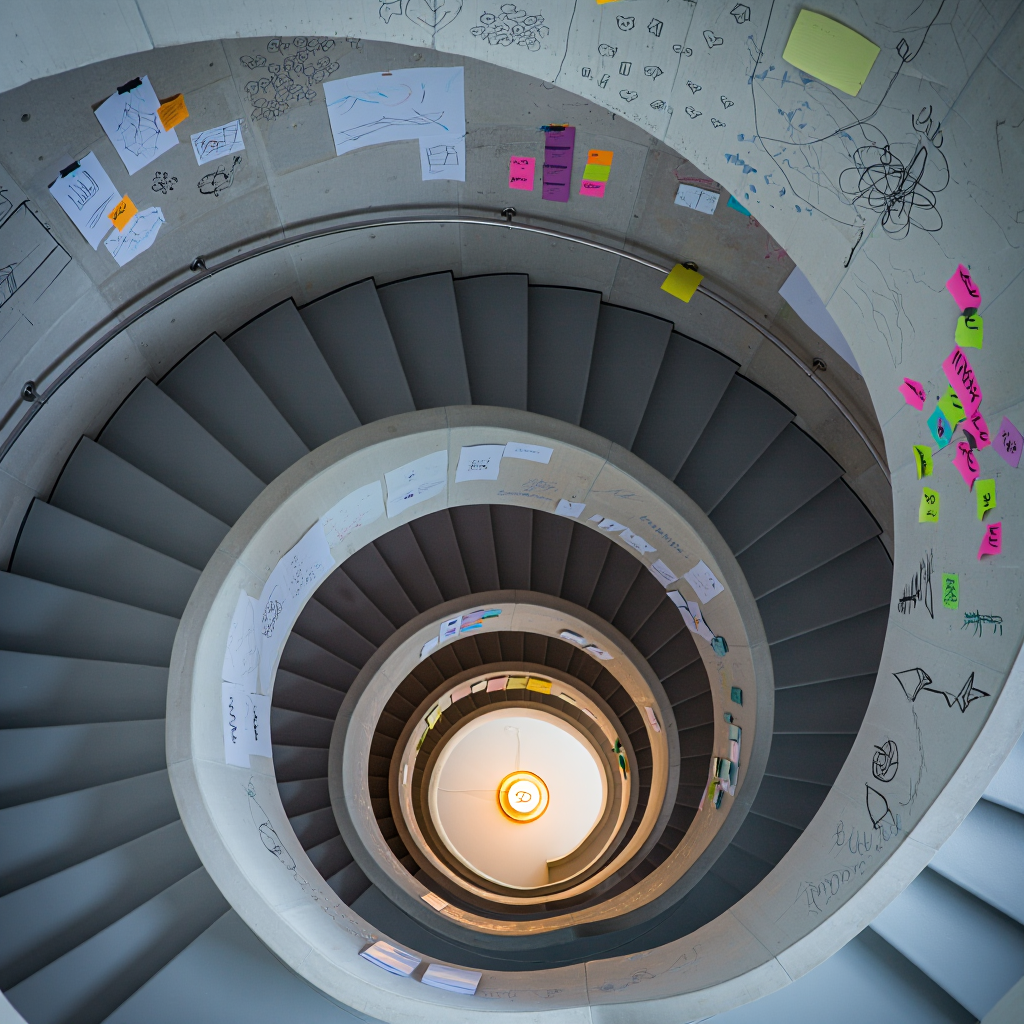
Inspiration is always lead by a motivation. Then only a disordered raw knowledge takes a first lead towards a perfection. An inspired design thinker doesn’t care about the uncertainty. A crucial part of DT entails gaining a thorough understanding of users and their needs, even of those they are unaware of (Lisa Carlgren I. R., 2016). We think designers should gain understanding of the user (cognitive), by feeling the user’s emotional state (affective) (Visser, 2009).

Ideation
DT is perceived as an innovation process that uses a variety of techniques to develop and test innovative solutions by means of prototypes (Lisa Carlgren I. R., 2016). Prototypes become the pathway between brain and a hand. It helps a thinker to show what S/he wants to deliver. It turns insights into possibilities with the help of continuous development.

Implementation
This is the most crucial and important part of the design thinking process. In DT process every imagination or prototypes must have to come into a valid form or solution. Which is carries the weight of entire DT process. Empathy serves to inform and to inspire designers to create products that fit the user’s needs (Visser, 2009). A sensitive design thinker every time tries to deliver a product which actually fits according to the need, want and demand of a user or a consumer.
Reasoning
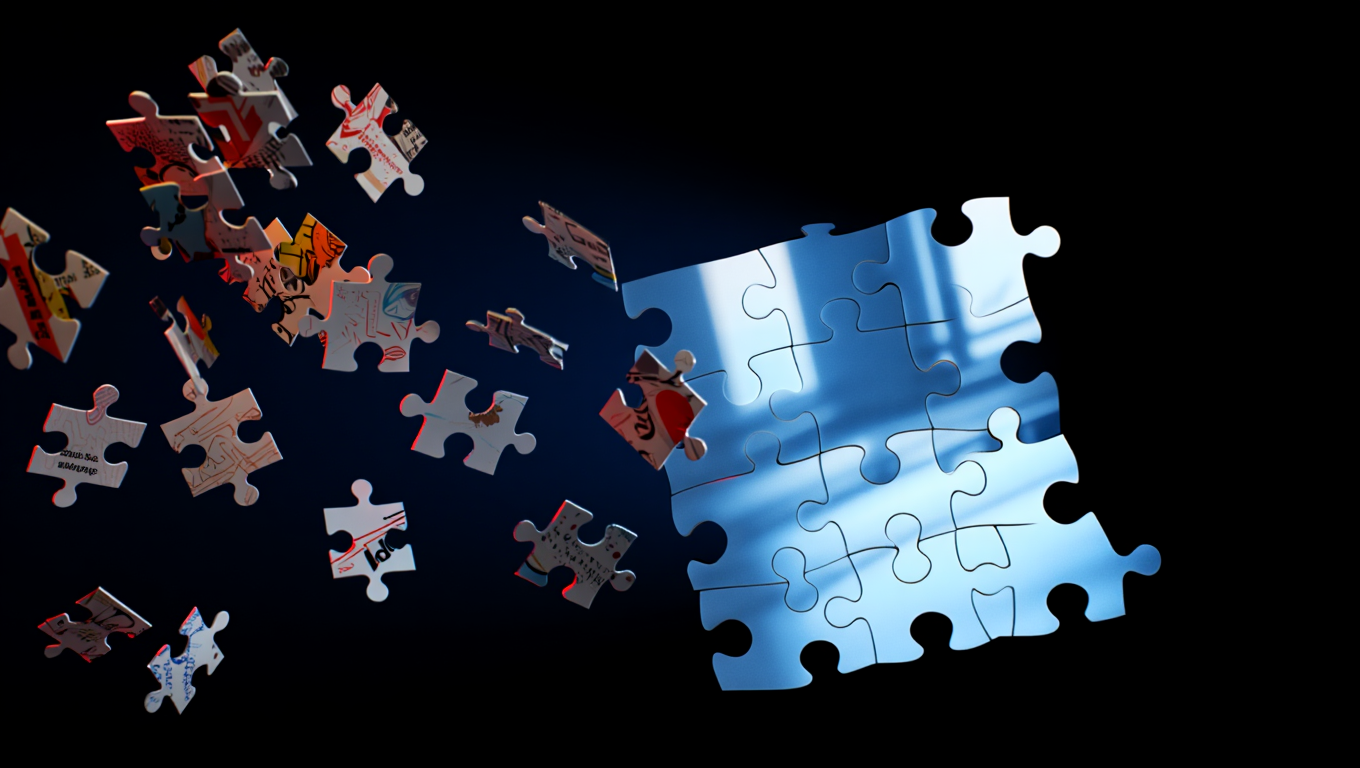
In the beginning we always start from a crap. Same situation comes at the moment of design and creating some services or products. Organizing each steps thoughtfully and believing the procedure leads a imagination up to a proper reality. Design thinking helps each individuals who are willing to deliver something in the field of problem identification, idea generation, decision making and utilization of the actual and required solution.
References:
Brown, T. (2009). How Design Thinking Transforms Organizations and Inspires Innovation, Change By Design. California.
Lisa Carlgren, I. R. (2016). Framing Desing Thinking: The Concept in Idea and Enactment.
Visser, M. K. (2009). A framework for empathy in design: stepping into and out of the user’s life. Journal of Engineering Design.


Leave a comment