
The ability to design is undeniably an essential part of human intelligence. Everyone is a designer. Just like everyone is capable of creative thinking. We may not be equally talented at it but using Design Thinking tools can amplify our chances for success tremendously when working on tasks or problems at hand.
Over the span of the two-day intensive Design Thinking course taught by experts of the field Dr. Katja Tschimmel, Design Professor at ESAD Portugal, and Gijs van Wulfen, Innovation Consultant, I was exposed to some already familiar Design Thinking tools as well as completely unfamiliar techniques I had never used before. The course emphasized the importance of visual triggers and sensations for our idea developing process and collaboration within your design team. Collaboration is known to be especially fruitful when the team members have diverse backgrounds and are experts in different fields (Brown, 2009), which put us into a perfect setting for our hands-on group design project carried out as part of the course. Working through the different stages of a service design project within a diverse multi-background team also presented the already familiar tools in a new light to me – as being much more applicable in a business environment than I used to think before.
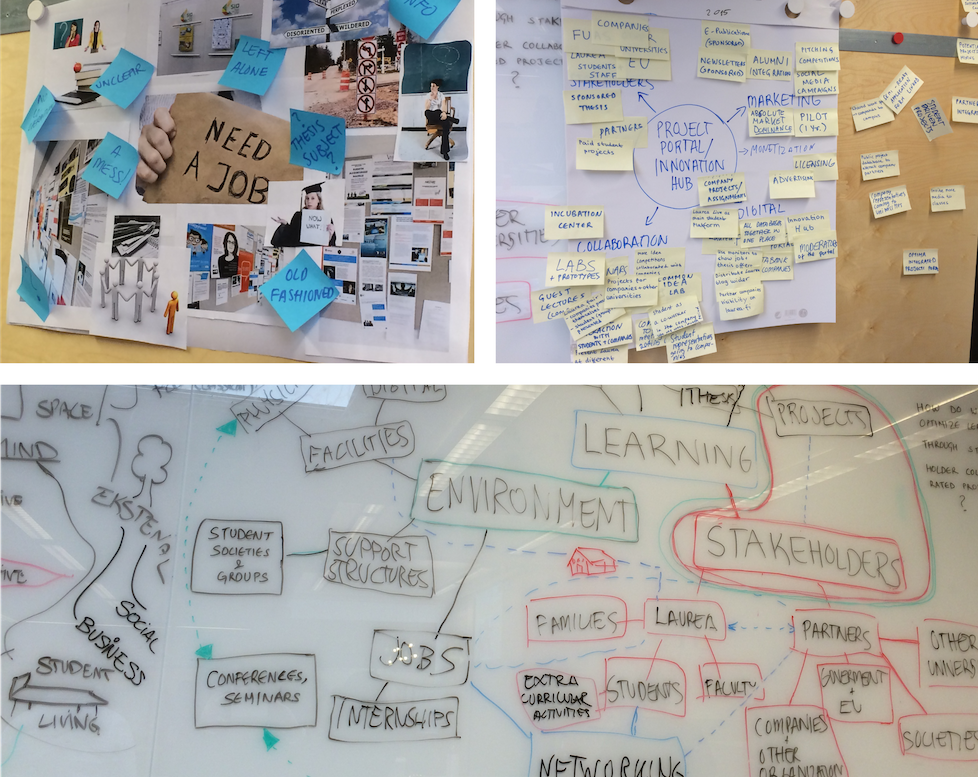
Figure 1: Visual triggers during idea generation: Moodboard, Brainwriting, Mindmap
Especially to my liking among the previously unfamiliar techniques and something I will definitely adapt to my professional life are visual and semantic confrontations, part of the group of tools used in idea generation and experimentation (Tschimmel, 2012). Combining and connecting unrelated things with each other can lead to very unique and new ideas. This technique reminded me of a quote by David Byrne from his book Arboretum: “If you can draw a relationship, it can exist” (Byrne, 2006). The creation of relationships and links between so far unrelated things can be an ideal source for new innovations and is therefore a very good starting point for any design process.
Another important takeaway from my first close encounters with Design Thinking is the understanding that designing means exploring (Cross, 2011). It is an expedition, a journey filled with explorations – a concept Gijs van Wulfen brought to the world of innovation with his FORTH method. Previously I was prone to stick easily to the first idea and develop it further, by all means, to the end product – without even considering other options. I will put much more emphasis on the idea generation process in the future to start with a pool of ideas I can then dive into to find connections and pathways that will lead my work onwards.
Since I spend a lot of time designing user experiences in a digital context, prototyping has been already a familiar and often used tool. However, I learned that it can be even more effective when used much earlier in the design process – early prototyping. This goes hand in hand with another realization I made: I always used to keep much of the design process inside of my own mind. But designing is not a solely internal process (Cross, 2011). The design tools that we use serve as bridges between our minds and the physical world – exactly that strange and foreign place where the final product or service we design is going to be used, by real people. Regarding yourself as a user throughout the design process and to test your ideas early on in a physical way, e.g. through early prototyping, is therefore highly recommended when wanting to achieve a usable and user-friendly outcome. Design Thinking is, after all, human-centered (Brown 2009, Tschimmel 2012).
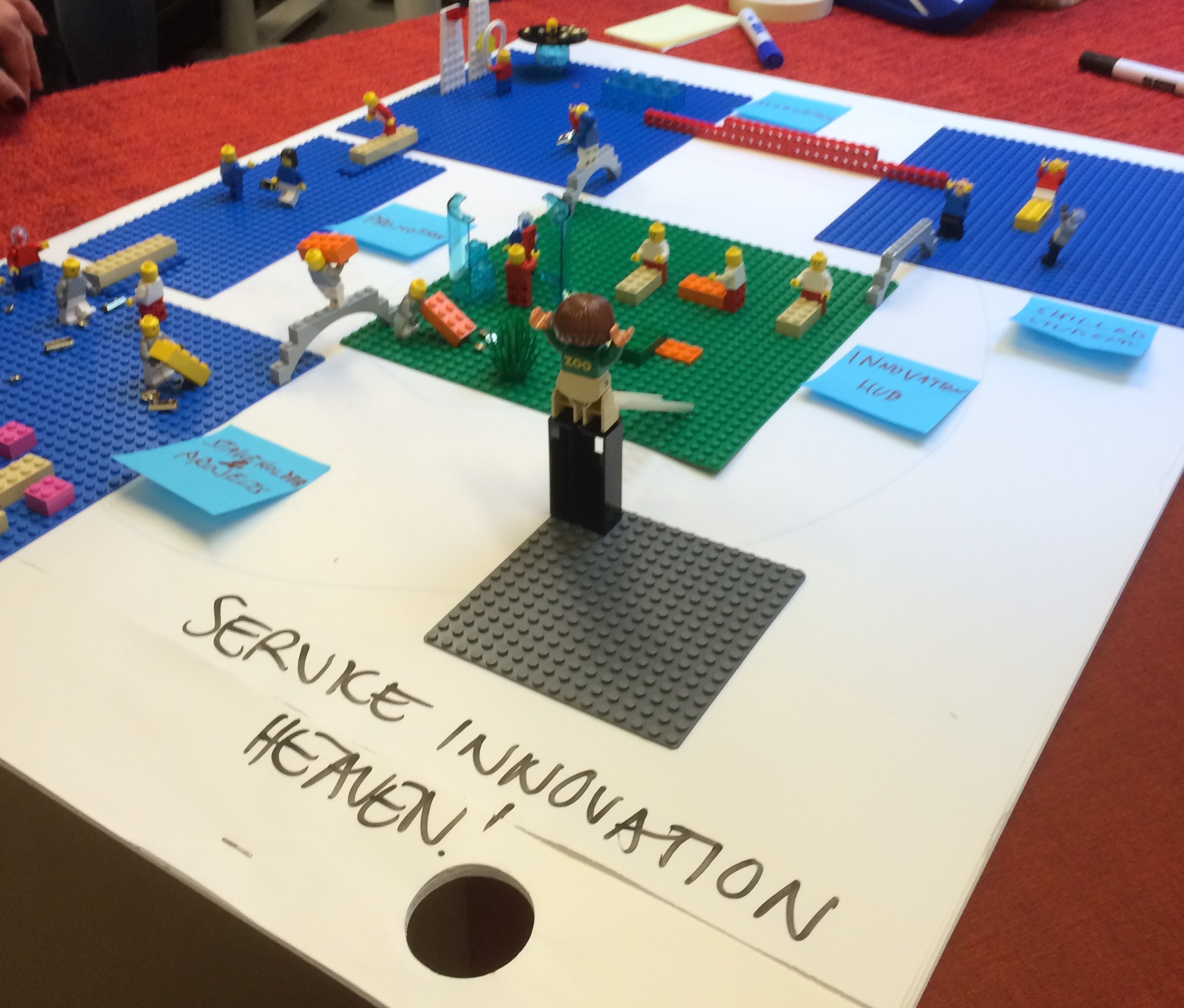
Figure 2: Getting physical – Lego desktop walkthrough to design a service
References:
Byrne, David, 2006. Arboretum. New York, United States: McSweeney’s.
Brown, T. 2008. Design Thinking. Harvard Business Review, June, 84-95.
Brown, T. 2009. Change by design: How design thinking can transform organizations and inspire innovation. New York, United States: HarperCollins.
Cross, Nigel 2011. Design Thinking. New York, United States: Berg
Tschimmel, Katja 2012. Design Thinking as an Effective Toolkit for Innovation. In: Proceedings of the XXIII ISPIM Conference: Action for Innovation: Innovating from Experience. Barcelona.
–Written by Corina Maiwald, first year SID student


Leave a comment