
By Nikesh Thapa & Tripti Sapkota
Vijay Kumar states, “Innovation begins with understanding people.”
In modern epoch, we are facing many new challenges, so we need new and creative solutions. Design thinking is a useful method that helps people solve problems in a creative way. It focuses on innovation, people, environment, and continuous improvement. Designers use this method to create practical and useful solutions for real-life problems.
From our study materials and our two-day design thinking class with Katja Tschimmel, we learned that design thinking is a human-centered approach. This means every problem can have a solution if we understand people’s needs, experiences, and challenges. By interviewing users and understanding their situation, designers can find the real problem and then work on the right solution.
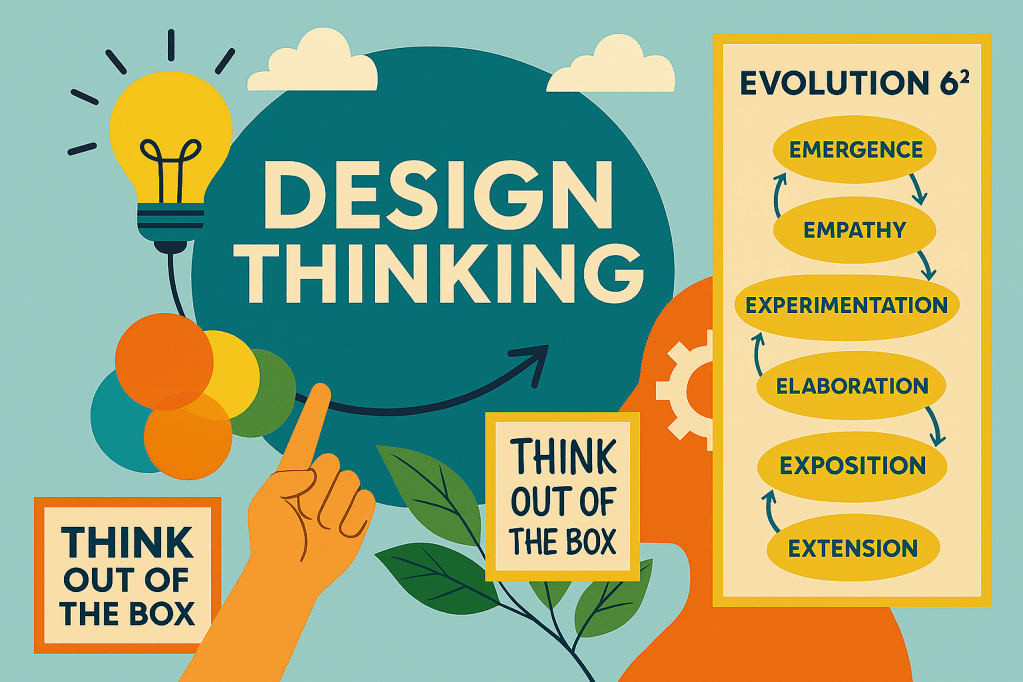
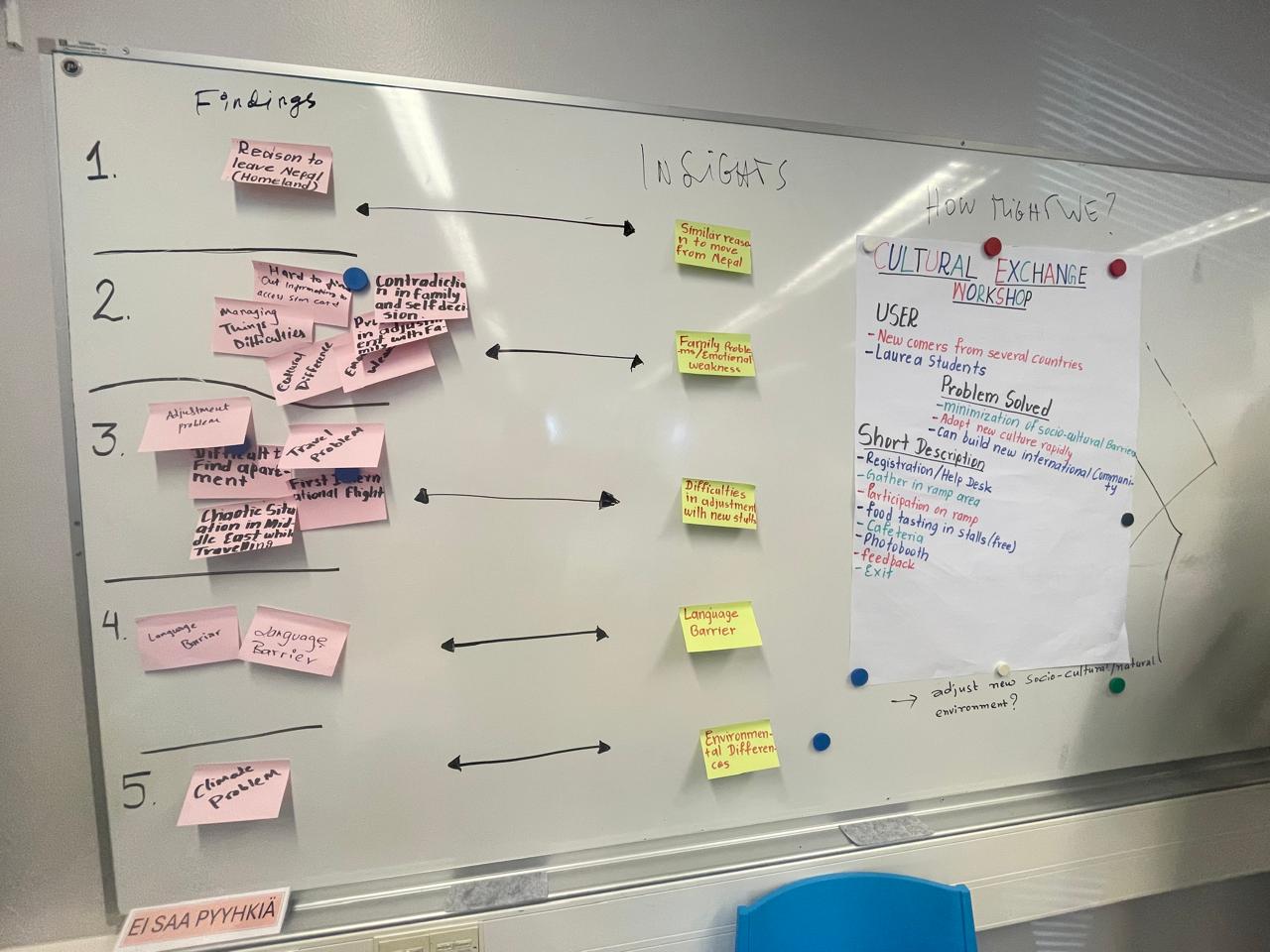
According to the E6 model, design thinking has six stages: emergence, empathize, experimentation, elaborate, exposition, and extension. Based on this model, our team created a prototype. First, we scanned trends and signals related to our service using mind mapping. After that, we conducted interviews and found that there is a cultural gap for international students coming to Finland. Then we generated ideas and different possible solutions. After selecting the best idea, we created a prototype for a cultural exchange workshop. After presenting our prototype to other groups, we received feedback and improved our idea and created a roadmap for better results.
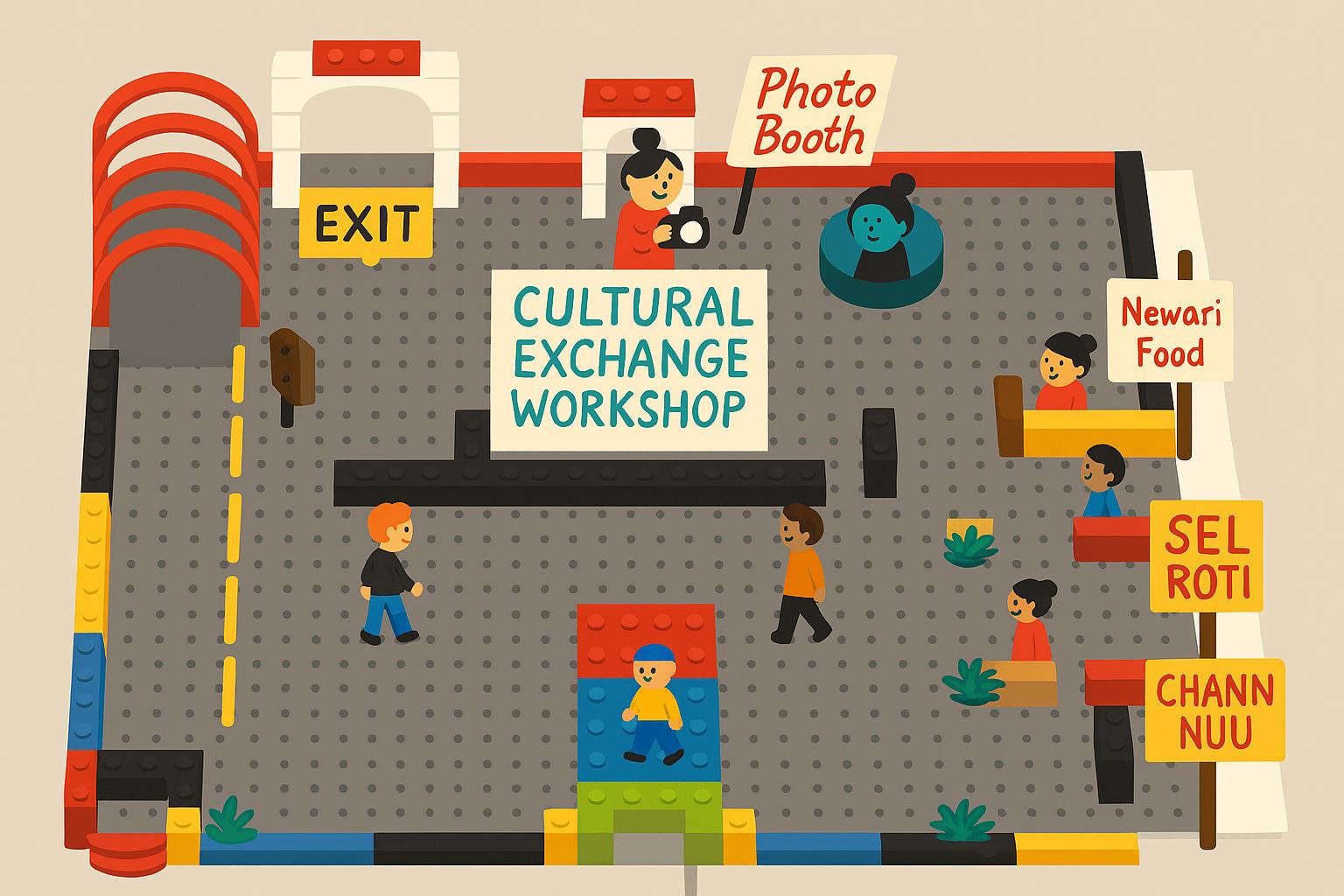
Our Lego prototype represents the cultural exchange workshop. We tried to solve the problem that international students face when adapting to a new culture. Our idea was to create a friendly and homely environment where students from different countries can share their culture. In this workshop, we planned activities like cultural dress exchange, food tasting, storytelling, cultural presentations, photo booths, and coffee discussion areas. There would also be an open stage where students could show their talents. This kind of environment helps students feel comfortable and connected.
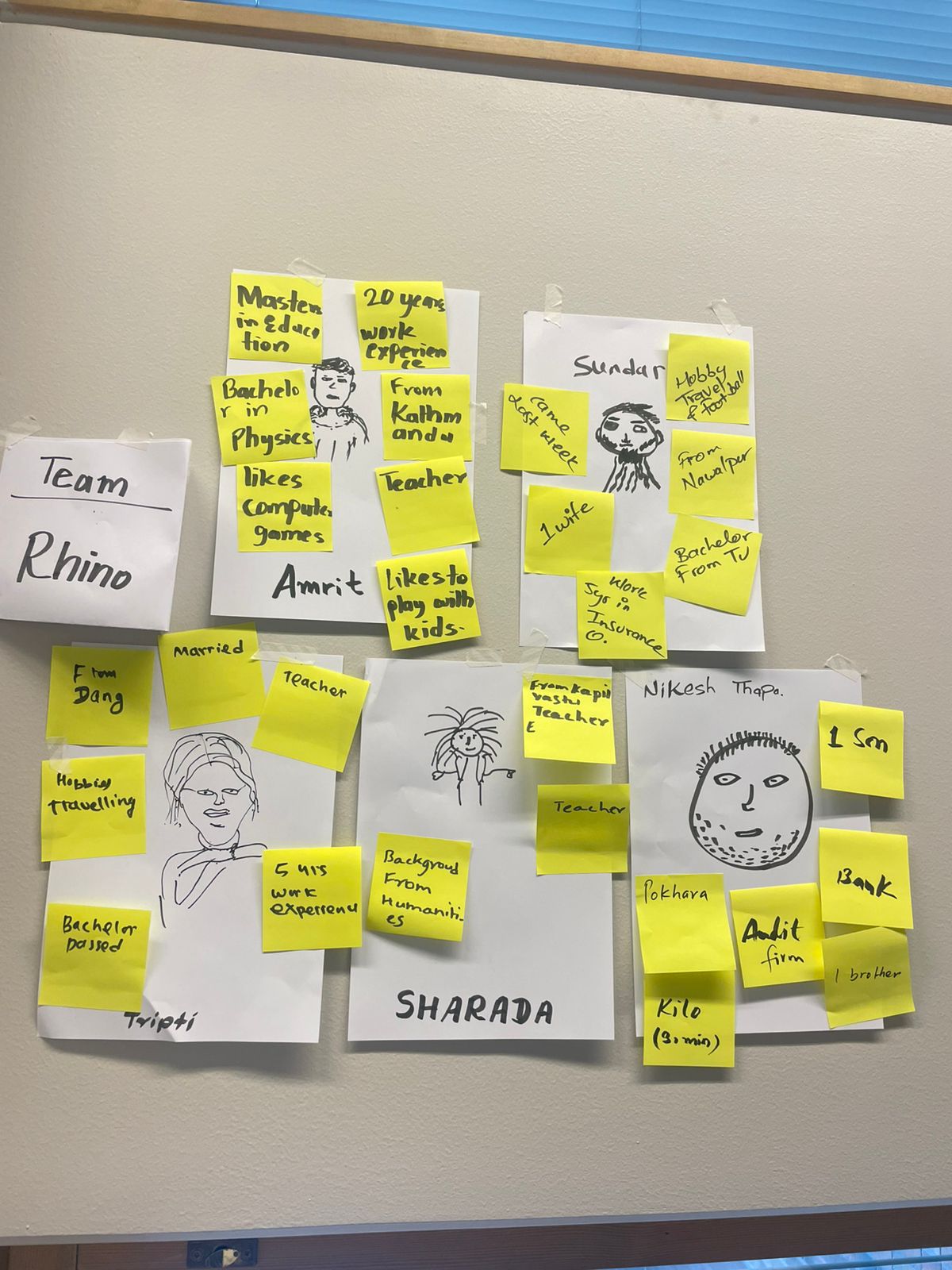
Collaboration is also a very important part of design thinking. In the beginning, we introduced ourselves and tried to understand each other’s strengths and weaknesses. This helped us work better as a team. We also did a fun activity where we drew each other’s pictures. Even though the drawings were not very good, the activity helped us know each other better and made our teamwork stronger.
A successful design thinking solution must balance three important factors: desirability, feasibility, and viability. Our solution was desirable because it solved a real problem faced by international students. It was feasible because it was simple and easy to organize in a college environment. It was also viable because it could be continued by future students with simple resources.
A designer must always be ready for unexpected challenges. The design thinking process is not a straight line; it is a continuous loop where we keep improving our ideas and solutions. This process helps organizations and individuals to innovate, improve services, and adapt to changes.
Today, organizations should focus not only on profit but also on long-term goals and sustainability. They should be responsible towards society and future generations. Design thinking helps improve communication, encourages creativity, and helps organizations manage change effectively.
In conclusion, design thinking is a powerful way to solve problems. By focusing on people, encouraging creativity, and continuously improving ideas, it helps create meaningful and innovative solutions. Design thinking can be used in business, education, and everyday life to solve problems and create a positive impact.
REFERENCE:: Our Design Thinking Journey: Think Outside the box
Kumar, V. & LaConte, V. 2012. 101 Design Methods. John Wiley & Sons, Incorporated. https://www.researchgate.net/publication/328861557_101_Design_Methods
Brown, Tim (2008) Design Thinking. Harvard Business Review, June, 84-95.
Johansson-Sköldber, U., Woodilla, J. and Çetinkaya, M. (2013). Design Thinking: Past, Present and Possible Future
Design Thinking Model Evolution 6^2. (2012-2017). Katja Tschimmel
Images are created through the help of Microsoft Co-pilot


Leave a comment