
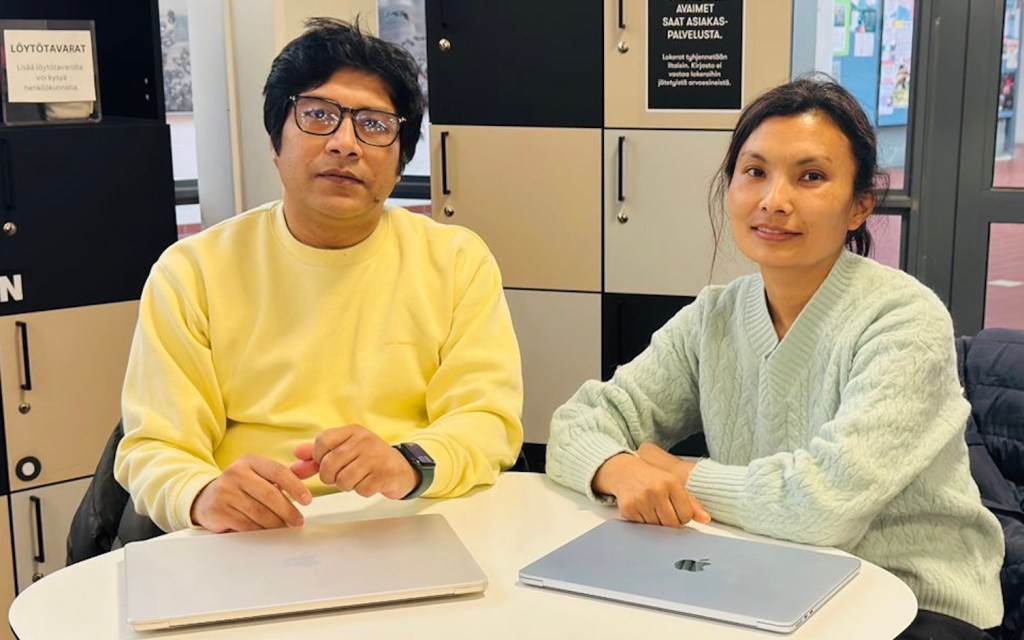
Written By Juneli Dangol and Mirza Mahamudul Hasan
At first, design thinking (DT) appeared to us as a structured method used mainly by designers. However, during the contact sessions on 9–10 March, our understanding evolved through hands-on activities and collaboration. Through interviewing, idea generation, clustering, and prototyping, we experienced DT as an iterative, human-centred approach to innovation. Our reflections are informed by Kimbell’s articles (2011; 2012), the practical tools presented in her book The Service Innovation Handbook (2014), and the workshop materials used during the sessions.
From Observation to Understanding
The workshop began with an interactive interview exercise. In groups, one participant spoke about themselves while another created a quick portrait based on what they heard. At the same time, another member documented key points and others observed.
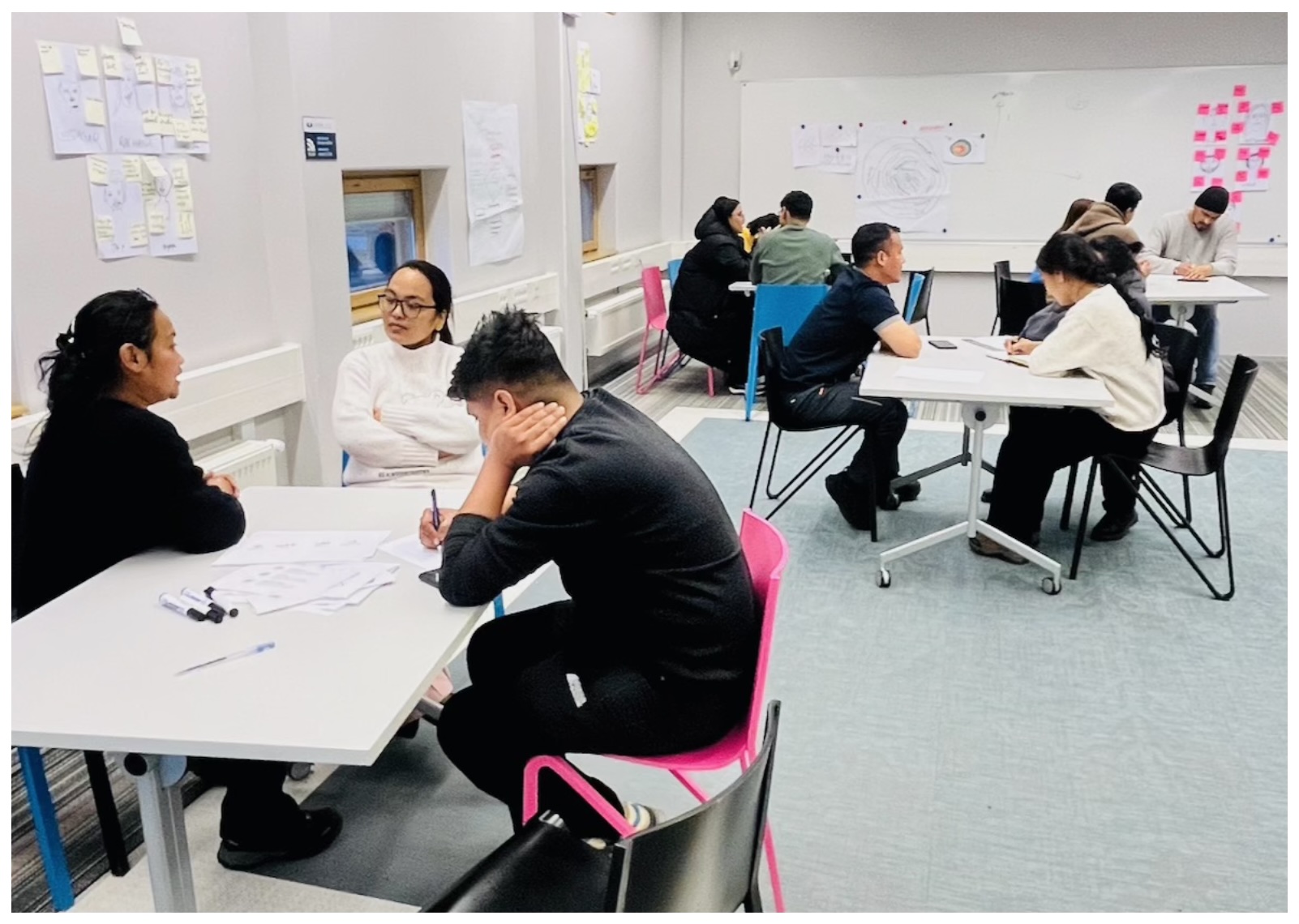
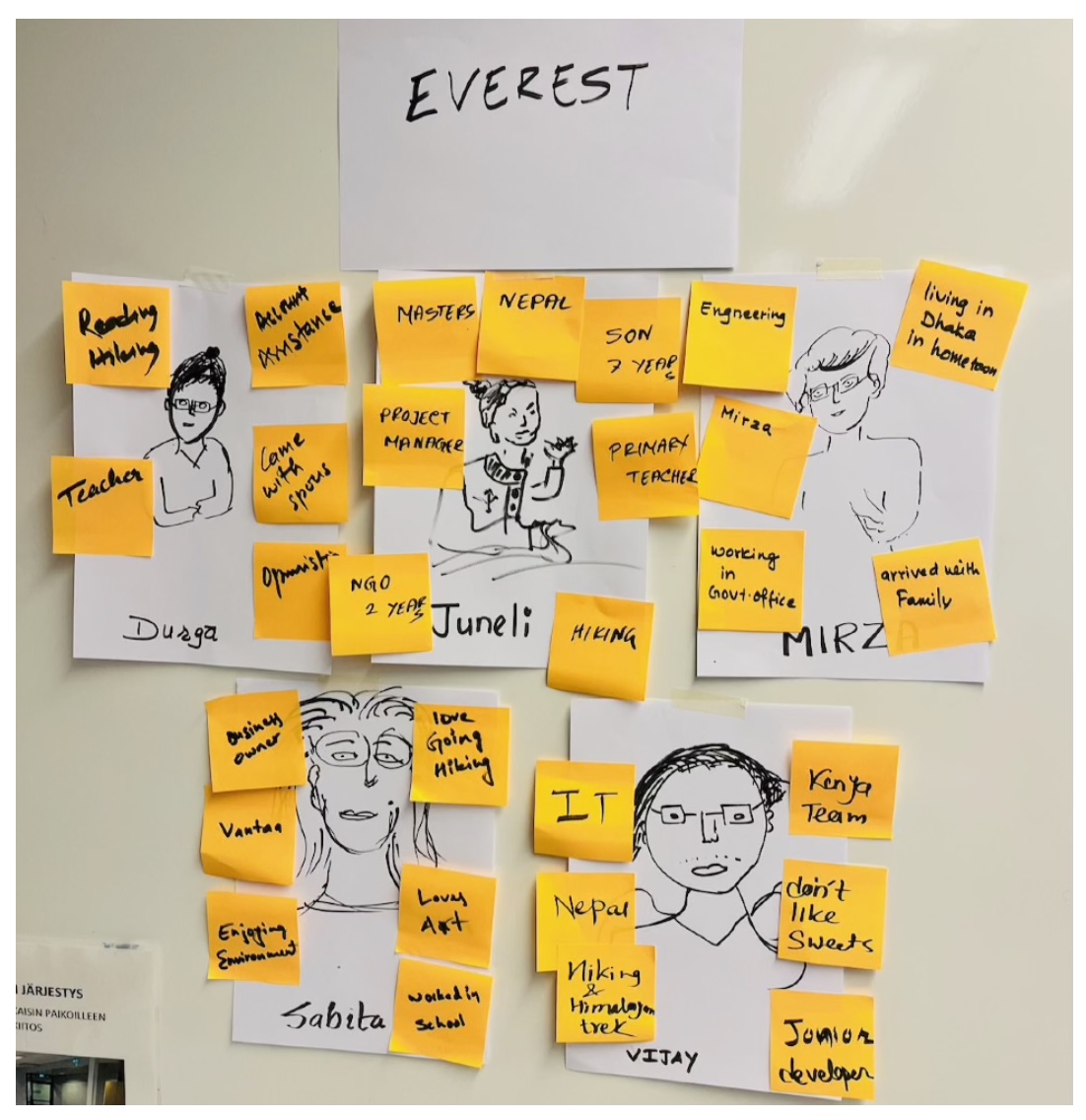
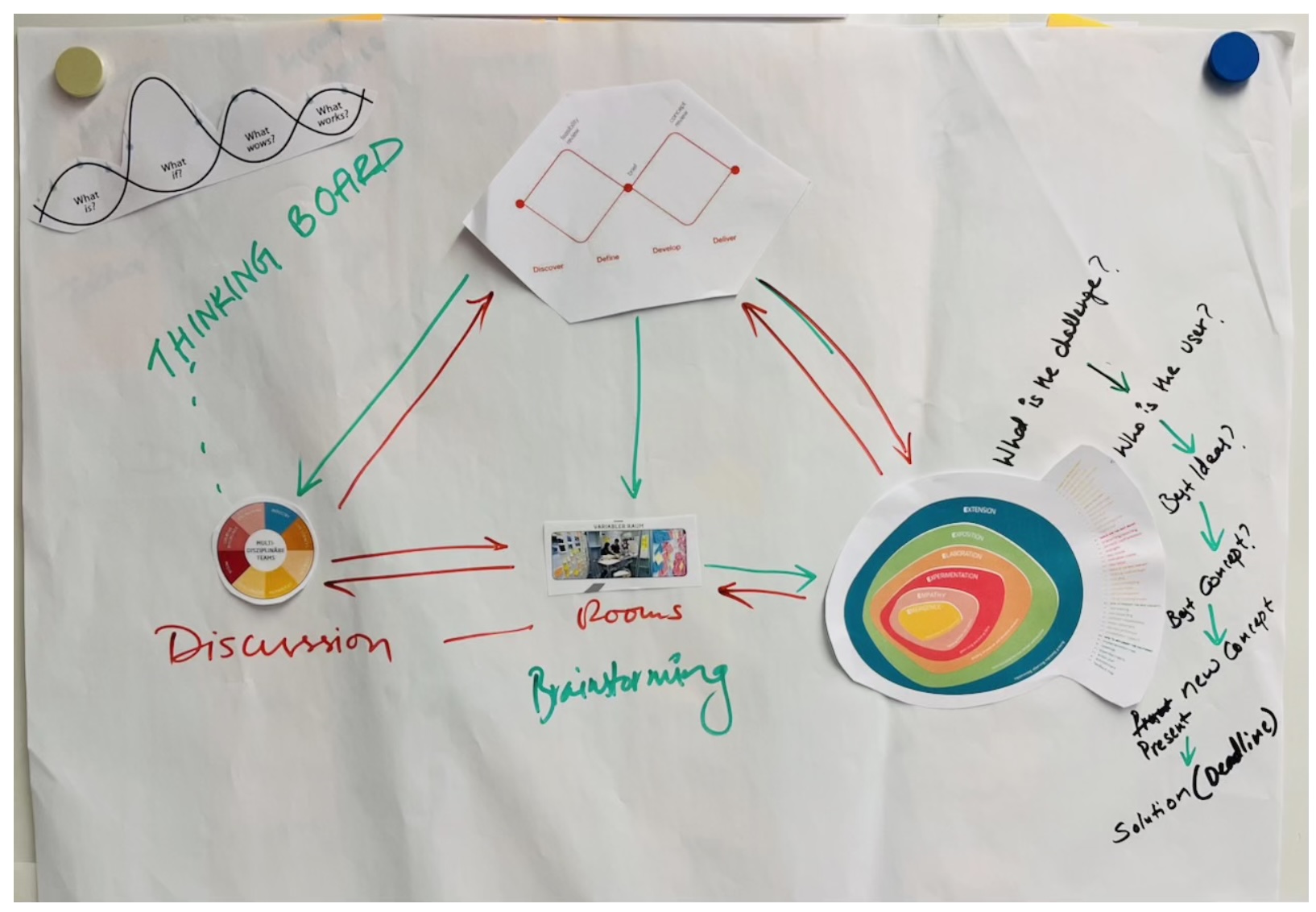
Interviews, portrait, DT process model exercise and observation activity
This activity highlighted the importance of listening, observing, and interpreting information, which are essential for understanding users. During the workshop, we were also introduced to different design thinking process models and were encouraged to develop our own framework. However, we found the Double Diamond model most effective due to its clear structure. Within this framework, the activity reflects the Discover phase, where insights are gathered through user interaction.
Divergent Thinking: Expanding Possibilities
A creativity task required us to divide a rectangle into four parts in as many ways as possible. Initially, we struggled to move beyond obvious solutions, but gradually we realised that there are almost infinite possibilities when thinking creatively.
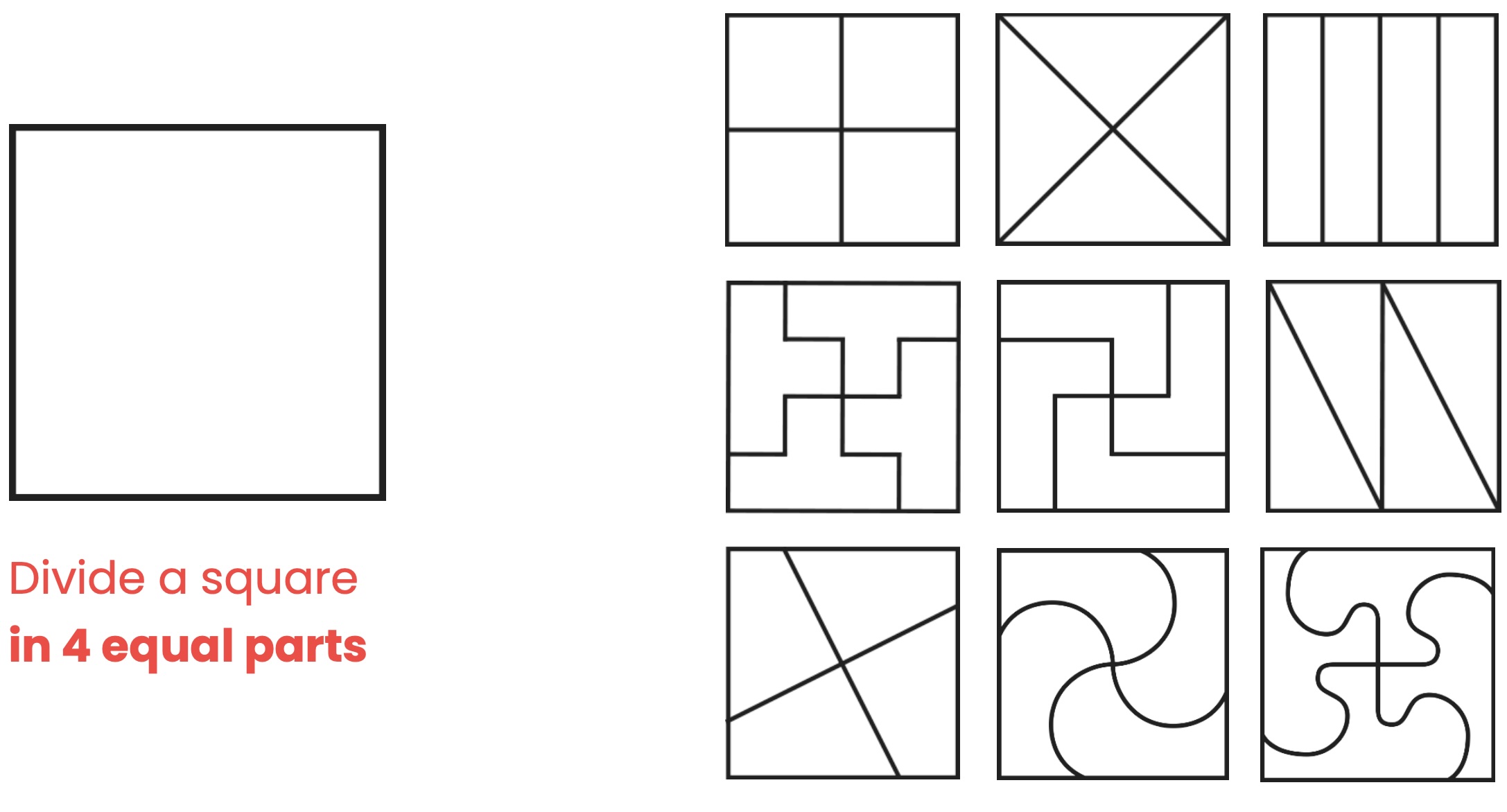
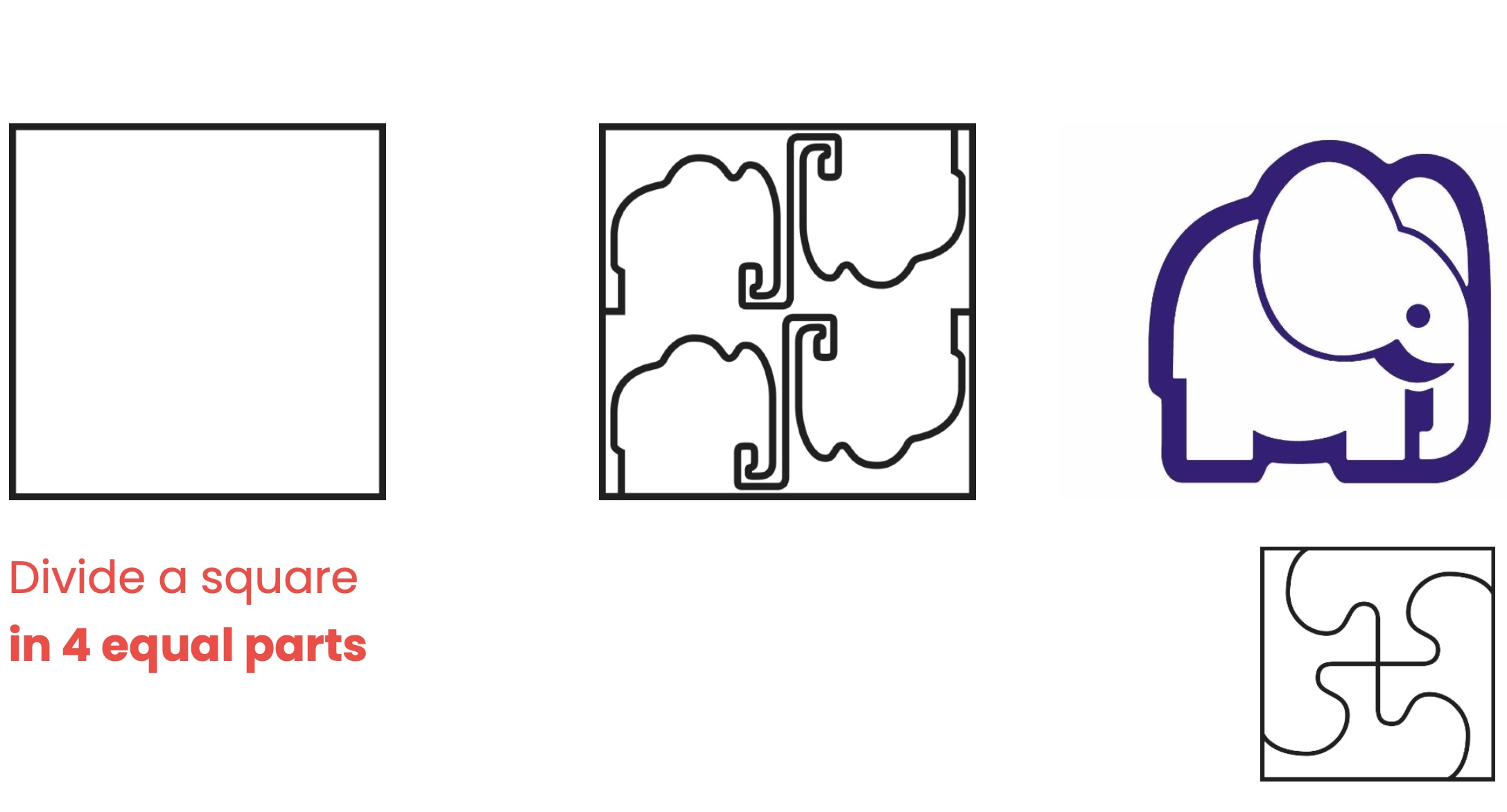
Exccercise design thinking mindset by Katja Tschimmel, 2026 / MINDSHAKE for SID / Laurea University
This exercise demonstrated divergent thinking, a key principle in design thinking where multiple ideas are explored without early judgement. As highlighted in the workshop materials, this stage encourages openness and flexibility in problem-solving.
From Findings to Insights
After the interview, we analysed the collected information and identified key findings, which were then transformed into insights. Based on these insights, we developed “How Might We” questions to define our design challenge:
How might we help students balance their new city life style in a healthy and sustainable way?
As international students, this topic felt highly relevant to our own experiences.
Convergent Thinking: Developing Solutions
Following individual idea generation, we clustered ideas into categories and conducted a voting process to select the most promising concept.
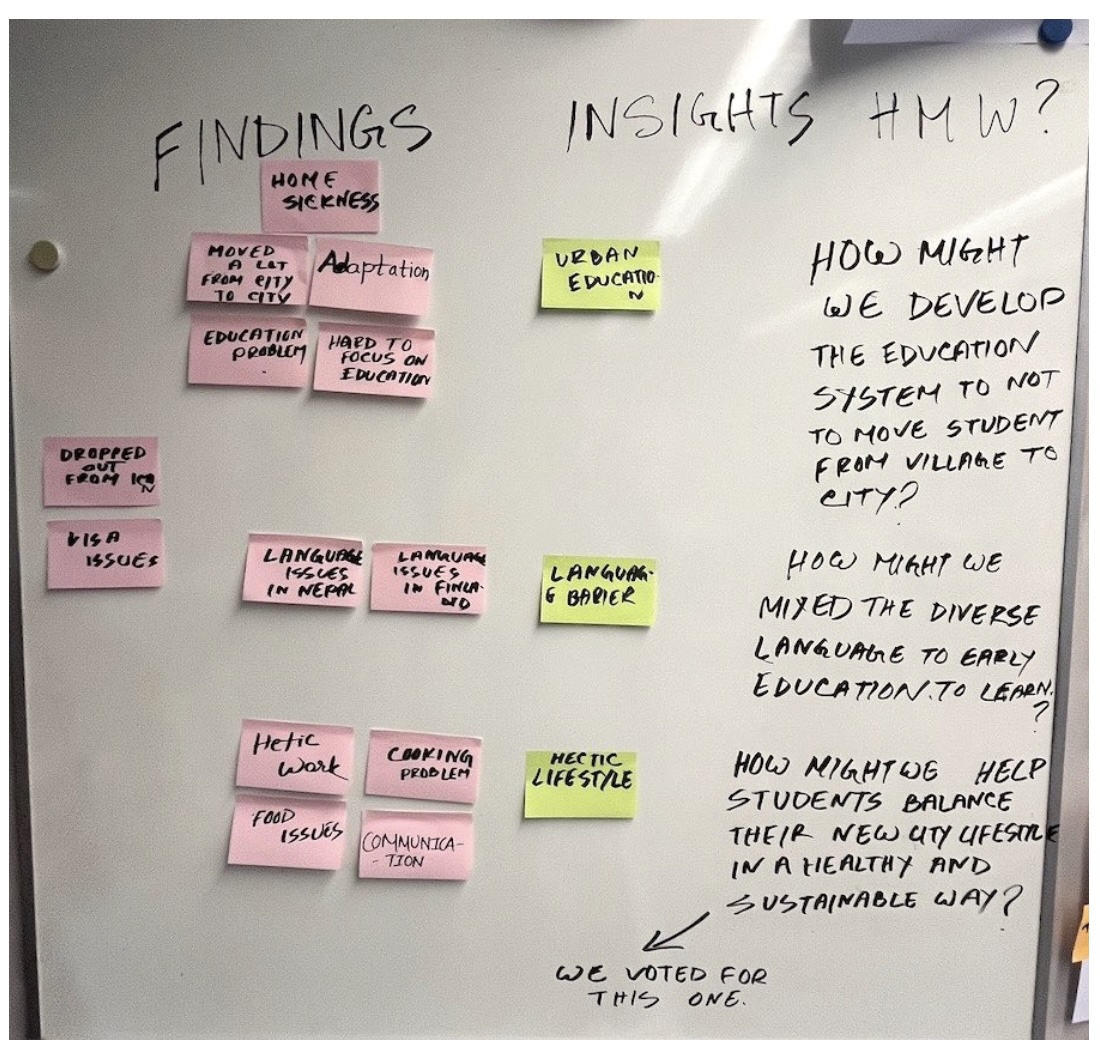
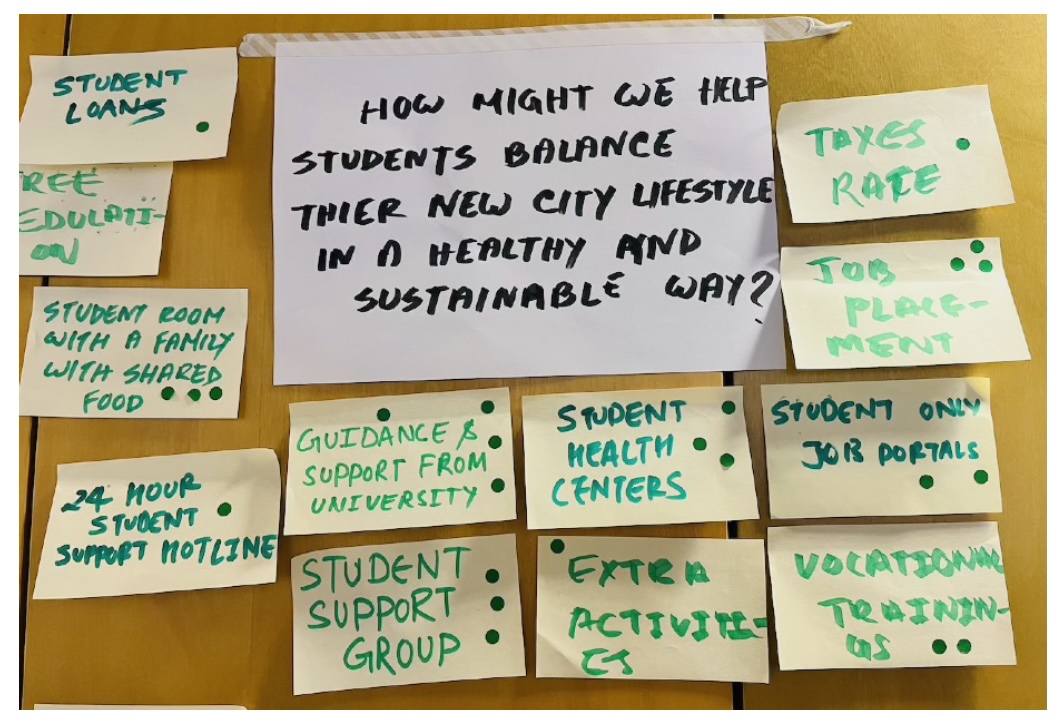
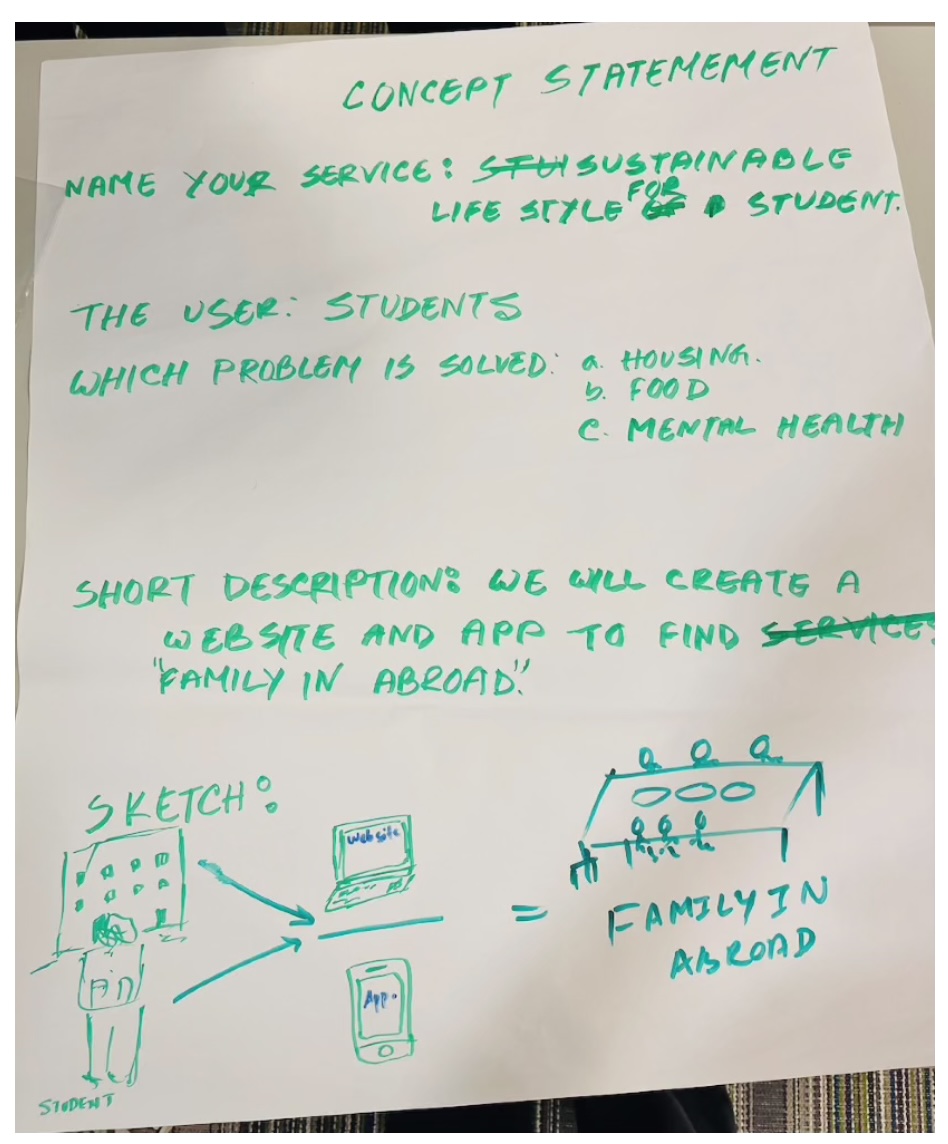
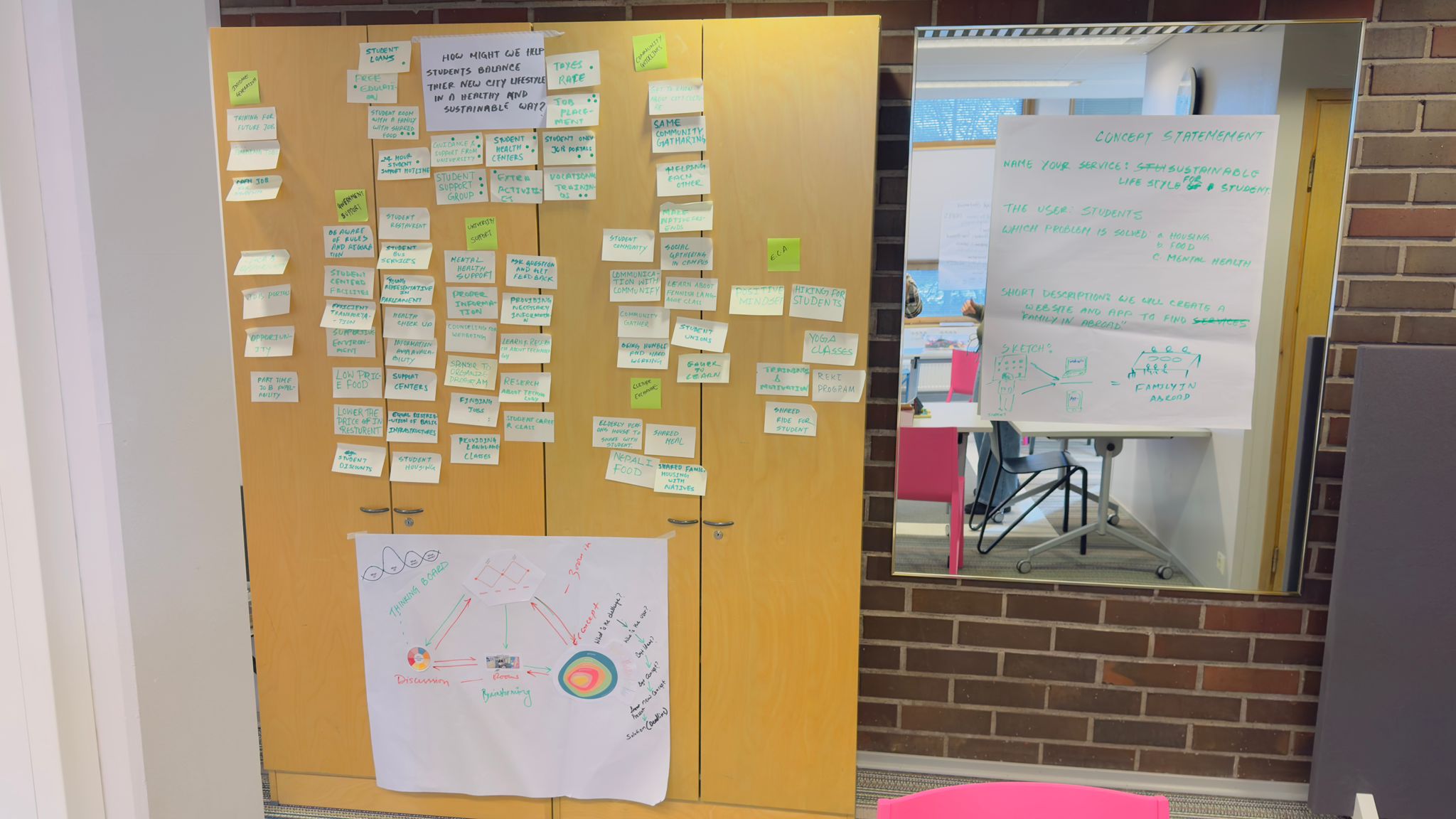
Everest team’s findings, insights and voting to concept statement
This stage reflects convergent thinking, where ideas are evaluated and refined. Our group developed the concept “Family In Abroad,” a service designed to support international students in building communities while promoting sustainable living. We then created a prototype concept for a mobile application to visualise the idea.
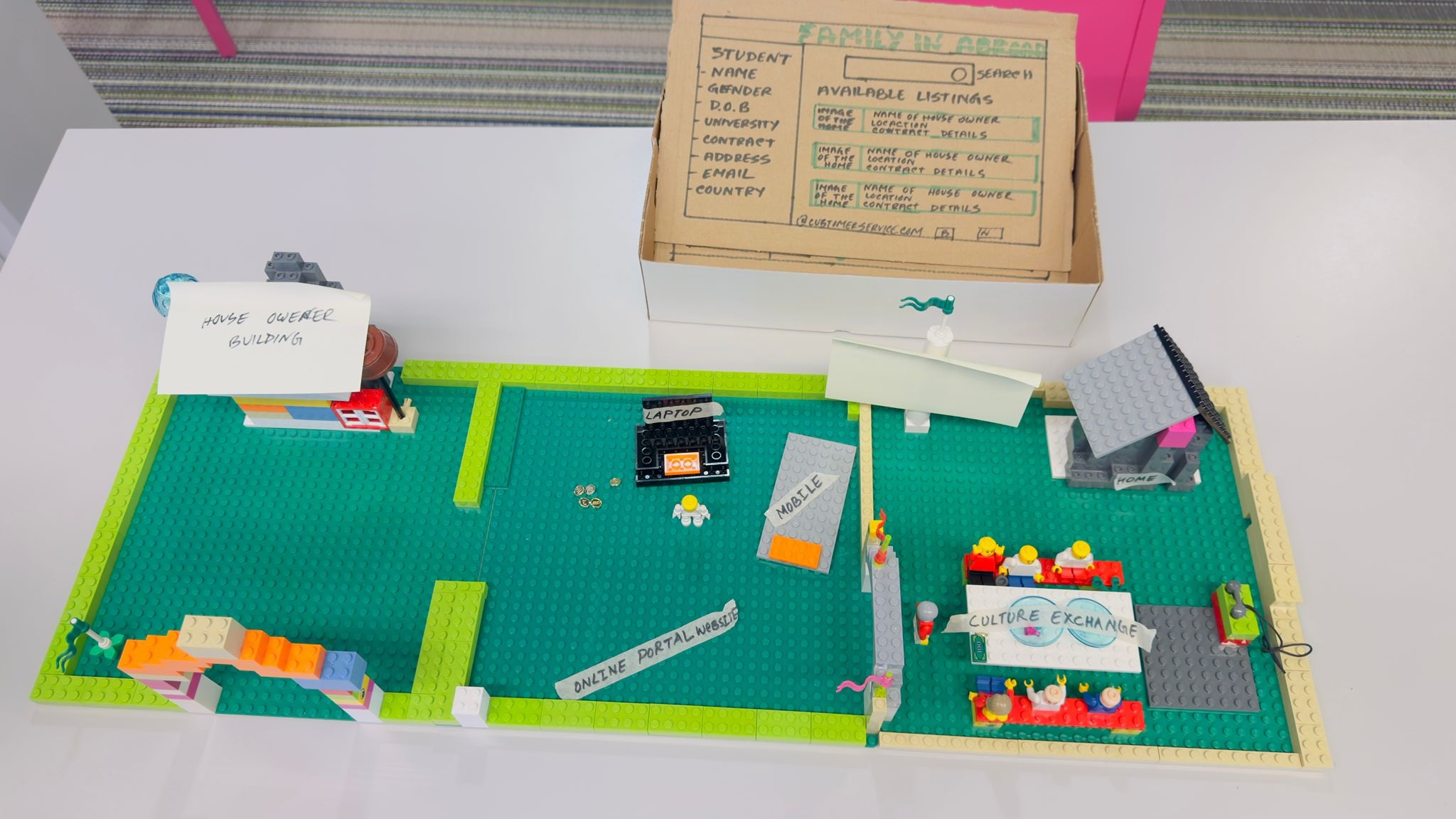
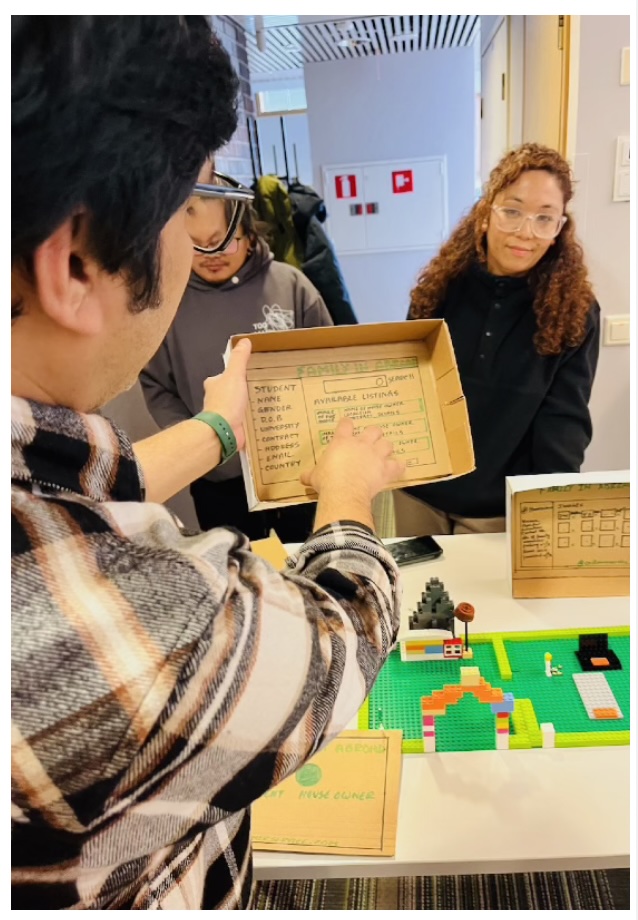
Everest team’s Prototype of ”Family In Abroad” app.
Rethinking Design Thinking
Our experience aligns with Kimbell’s argument in her article (2011) that design thinking should be seen not only as a set of tools but as a collaborative practice. In her second article (2012), she further explains that innovation emerges through interactions between people, tools, and contexts.
Similarly, in her book (2014), Kimbell presents practical tools such as interviewing, idea generation, and prototyping, all of which were applied during the workshop. The workshop materials also reinforced the importance of the Double Diamond model, showing how innovation moves between divergent and convergent thinking.
Reflection
Overall, this experience demonstrated that design thinking is not only about creativity but also about structured collaboration and continuous learning. Innovation does not emerge from a single individual but through shared exploration, testing, and reflection.
This leads us to ask: How can we continue applying design thinking beyond the classroom to create meaningful solutions in real life contexts?
References
- Kimbell, L. (2011). Rethinking Design Thinking: Part 1 Download Rethinking Design Thinking: Part 1. Design & Culture, Vol. 3 (3). 285-306.
- Kimbell, L. (2012). Rethinking Design Thinking: Part 2. Download Rethinking Design Thinking: Part 2.Design & Culture, Vol. 4 (2). 129-148.
- Kimbell, L. (2014). The Service Innovation Handbook. Amsterdam: BIS Publishers.
- Tschimmel, K. 2026. Design Thinking Masterclass at SID. [lectures]. Held on 09-10 March. Laurea University of Applied Sciences.


Leave a comment