
Service Innovation & Design
-

Dash 2018 Takeaways – How to Approach a Hackathon?
by Miikka Paakkinen Last weekend I participated in the Dash 2018 design hackathon. During the event our team was challenged to design a new service business concept in less than 48 hours. The experience was wonderful, so I thought I’d share some key points on how to approach this type of a challenge. Point…
-
Design Sprint as Tool for Non-profits
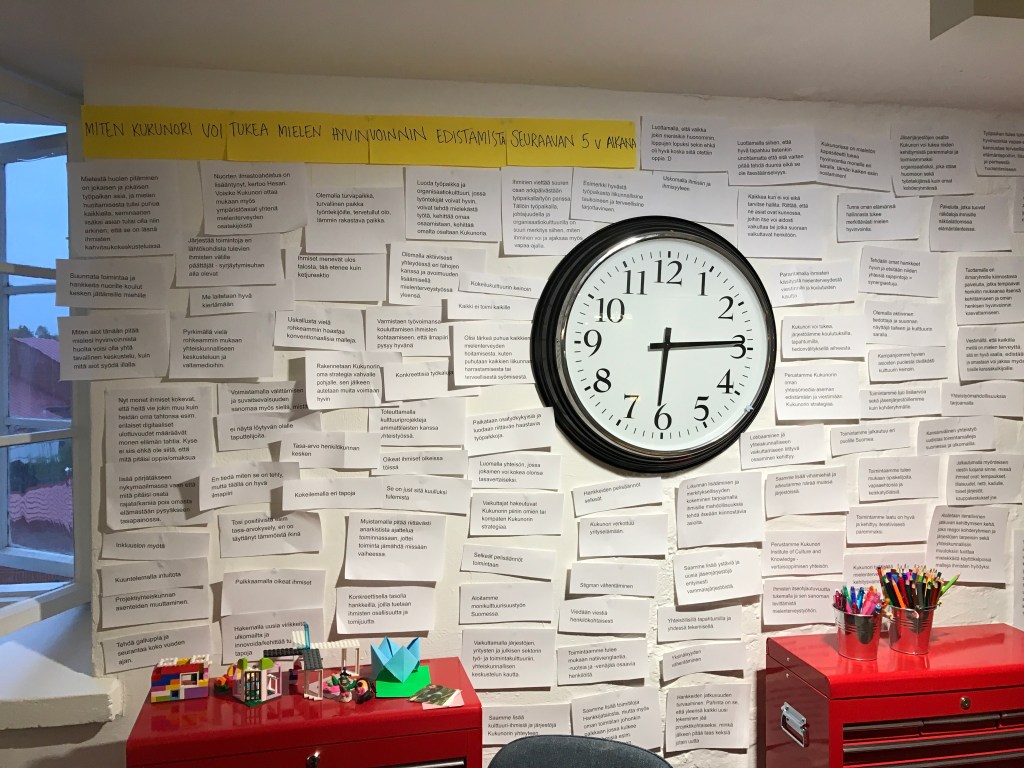
By Salla Kuuluvainen Last week I attended an event by Järjestöjen palvelumuotoilijat – Service Designers in Non-profit sector, an informal network by people who work in the NGO sector in Finland and are interested in service design. The event was organized by Kukunori, and organization that works with mental health and well-being. The theme of…
-
Employee Experience at Tieto
I attended a talk about Tieto’s employee experience this week and it was very inspiring to learn how Tieto make use of Jacob Morgan’s thoughts on employee experience to strive to be the best on the market for both employees and external customers. Jacob Morgan is the father of the Employee Experience Equation, which essentially…
-

Design thinking – an influential combination of tools, methods and a mindset
by Jenni Leppänen Design thinking has gained worldwide hype over the past decade. Its tools and methods are being discussed and implemented also in many fields not traditionally seen as designing fields, e.g. services. Design thinking is defined as a “process of continuously redesigning a business using insight derived from customer intimacy” (Jeanne Liedtka 2014).…
-
Innovating and Designing New Organizations
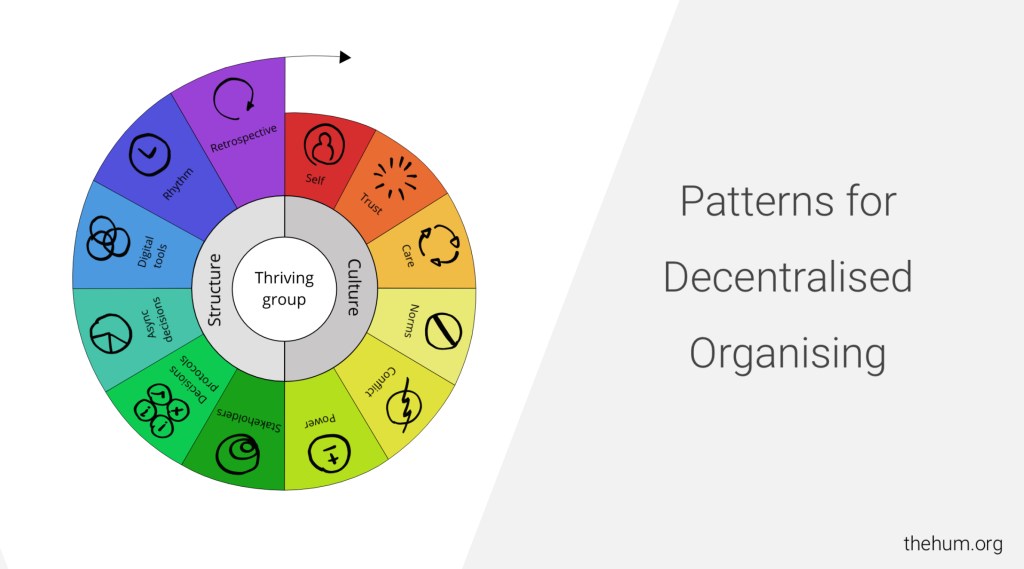
By Salla Kuuluvainen I participated in the Social Tools Conference organized by Pixelache Helsinki, an artist collective. I have been taking part in Pixelache events for a quite a while since I feel that they are a great source for finding out about ”weak signals” conserning the future and trends. Decentralization as Trend This time…
-
Design Process Three Ways
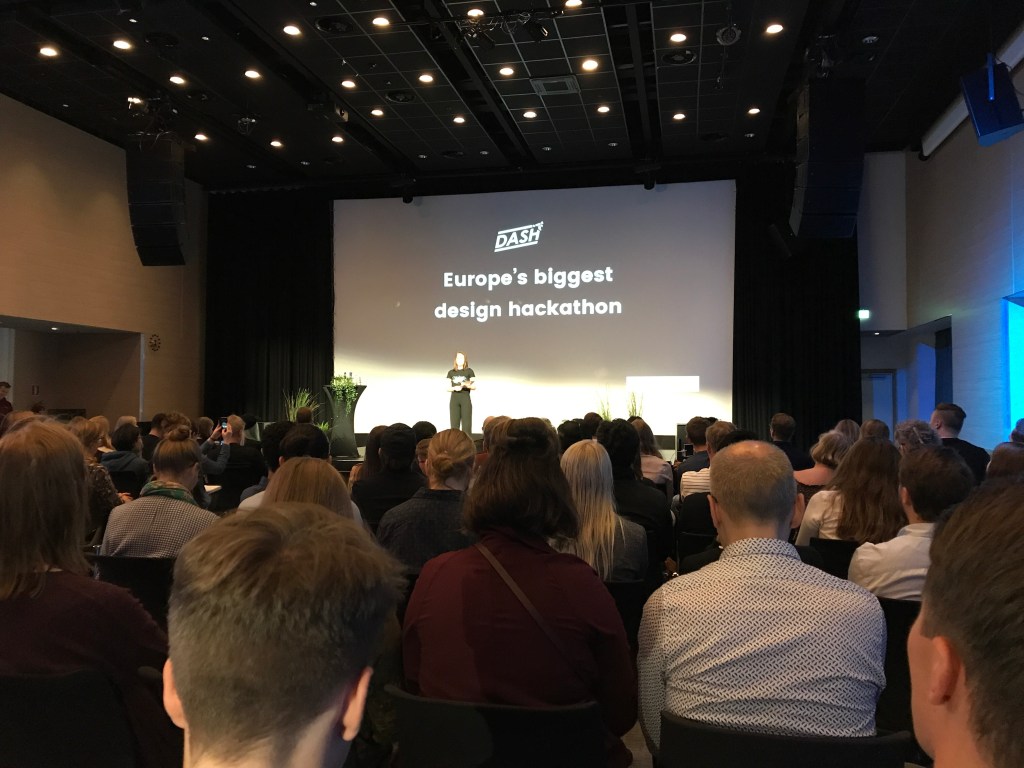
By Salla Kuuluvainen I participated in Dash Design – an event that was preparation for Europe’s largest hackathon DASH. In Dash Design we heard from three companies and their take on design process: Smartly.io, Pentagon Design and Iittala. What became quite clear at the event was that the design process can look very different and…
-
Designing together
Everyone can – and does – design . — Nigel Cross Design thinking is a key part of what makes us human. This is how Nigel Cross described human ability and tendency for design back in 2011. The bold statement above is best explained by a few simple examples; design appears in everyday-like situations, by people…
-
Where is the Groan Zone in Design Thinking?
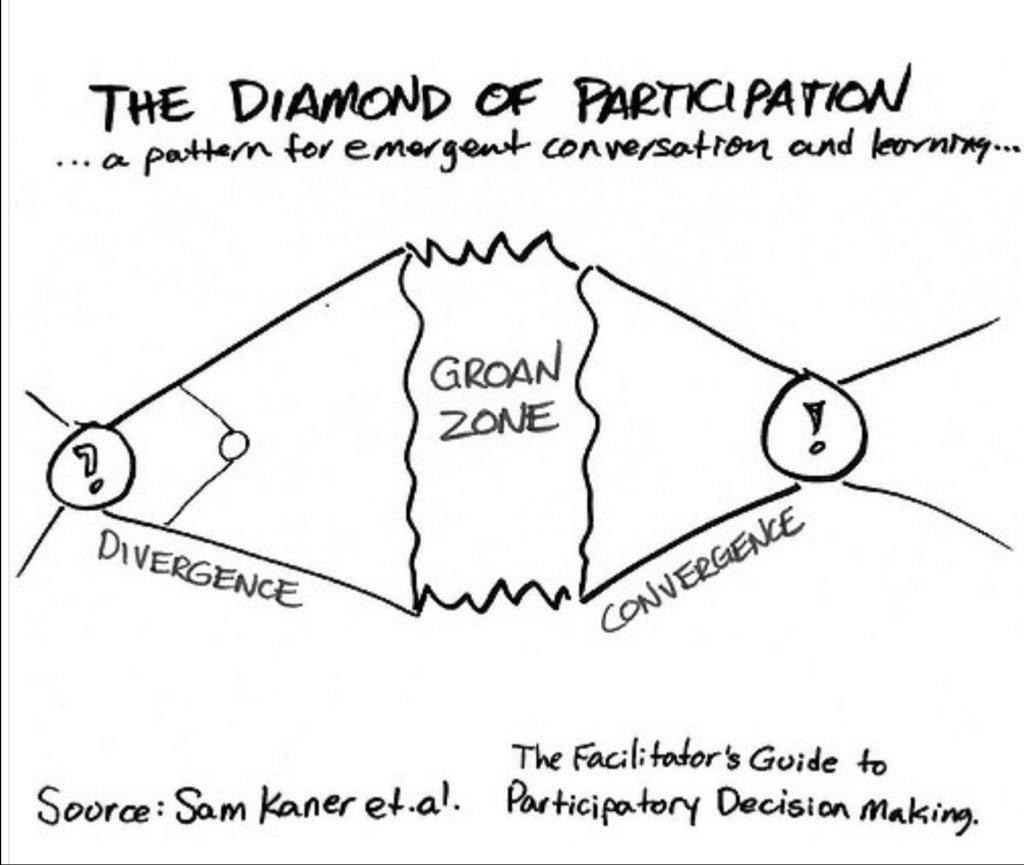
By Salla Kuuluvainen Abductive thinking is a skill crucial for Design thinkers. It refers to being able to stay analytical and emphatic, rational and emotional, methodical and intuitive, oriented by plans and constraints, but spontaneous at the same time (Tschimmel 2012,3). We practiced our best capability in abductive thinking in a two-day workshop with Katja…
-
(Service) Designers, what for?
by Kaisa Hölttä On the very first day of the Design Thinking course by Professor Katja Tschimmel, two existential questions rose in my mind: What is the role of a (service) designer in the innovation process? In the world where customers´role is more and more emphasizes, can customers even take a full responsibility of design…
-
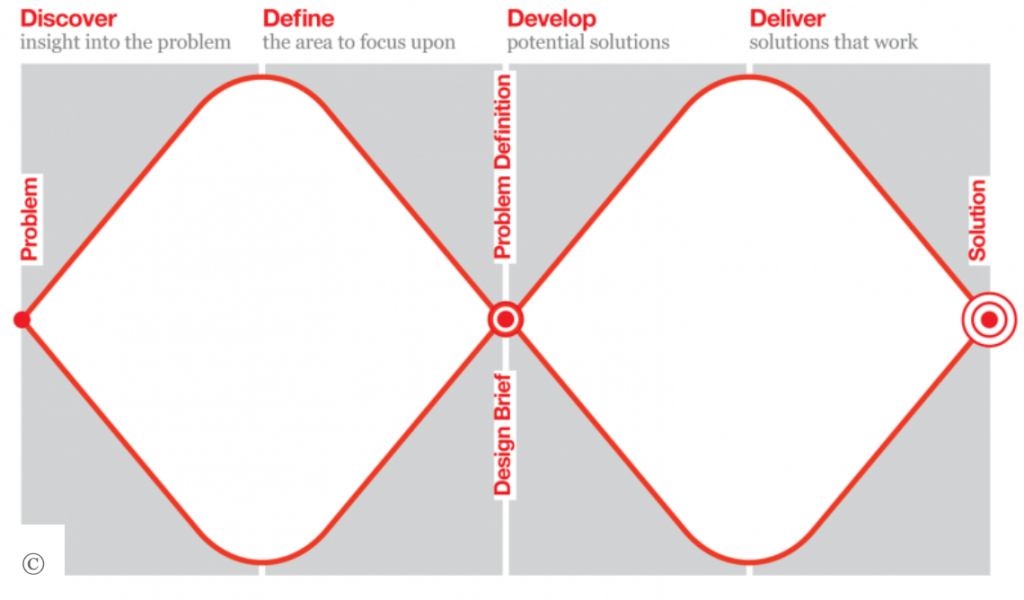
Free Design Thinking Models to Help You in Your Project
by Miikka Paakkinen Design in a business context looks to answer two questions: what problems are your customers facing, and how might we solve those problems while providing the best possible experience? Design thinking models can help you in your quest for the answers. Along the way, they might also assist you in asking better…


You must be logged in to post a comment.