
Category: SID methods
-

Unblock your creative potential with Design Thinking
Do you remember yourself back in kindergarten? You played and experimented and tried out weird things without fear or shame. And then you grew up and started to see yourself as “not the creative type”, if you happen to be like us. What happened? In this blog post we’ll show how creativity isn’t a rare…
-

Thinking with our hands and hearts
With emerging complex health and societal problems, such as Covid-19 and climate change, the world needs creative mindset and collaboration more than ever. Two new Laurea SID students interviewed each other about the key elements of design thinking after taking the master class of design thinking at Laurea. M: Ahmed, what made you interested in…
-
Failing fast can get your idea to fly
Swimming noodles, bubble wrap, hula hoops, playmobil toys and lego blocks – yes, this definitely is the Design Thinking master class of the Service Innovation and Design Master Degree Programme. During the two-day workshops we ran through Mindshake’s model Evolution 6², guided by professor Katja Tschimmel from Mindshake. The model has six phases: emergence, empathy,…
-

Fail like a designer
Our image of the world is built on assumptions and schemas. Without them, our everyday life would feel chaotic and quite burdensome. However, in an innovation process, our assumptions mainly work against us. They keep us from thinking outside the box. You could even say that assumption is the mother of all screw-ups. Without intentionally…
-
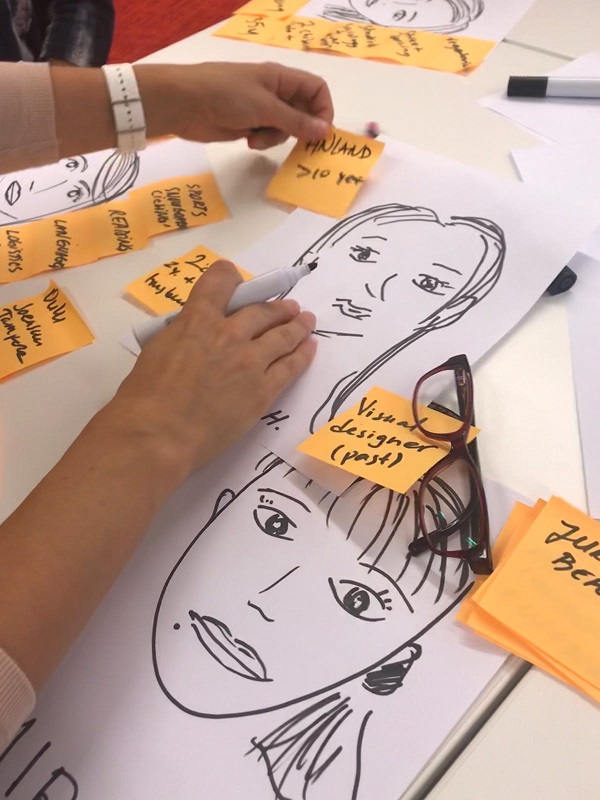
Unlocking Creativity for Design Thinking
We started our journey as SID students in early September 2020 with a two-day workshop that introduced the concept and process of Design Thinking. It was hosted by Katja Tschimmel and our tutoring teacher Päivi Pöyry-Lassila. Katja is the founder of design agency Mindshake and the model Evolution 6² or E6² (2018), Päivi is a…
-

Design Thinking for non-Design Thinkers
Today the world around us is continuously evolving and companies must be flexible and able to adapt to changes in society. Therefore, companies are testing new business logics and models to solve wicked social and business problems.
-
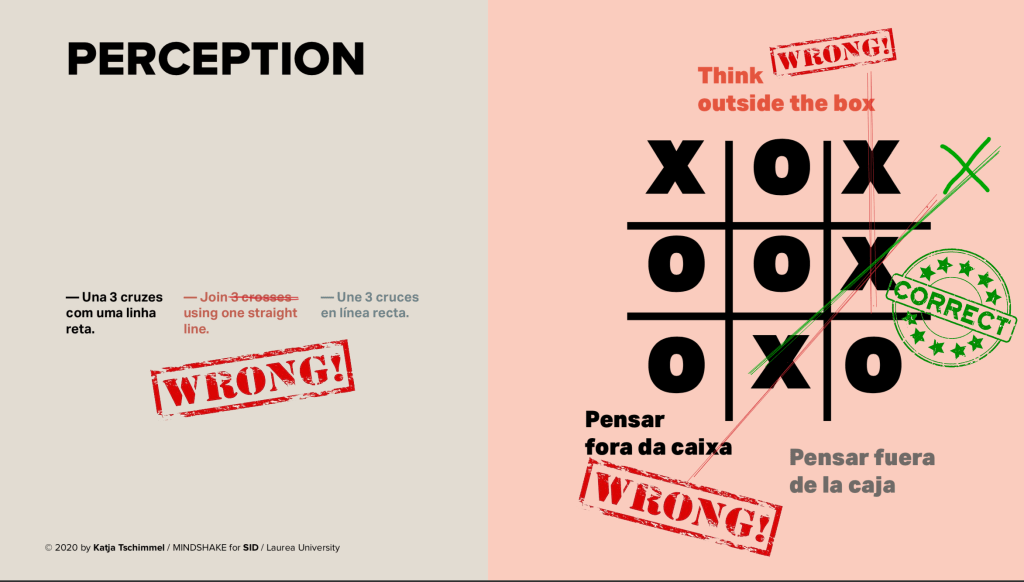
Letting go of your prejudices (while staying inside that thinking box)
by Miia Lemola & Ekaterina Nikitina Design Thinking workshop and concomitant readings have given us a lot of inspiration. However, it has also activated inner critics in us. We would like to share our thoughts about prejudices and limitations in creative thinking. Creativity – a gift or a skill? In the workshop, we were thrown…
-
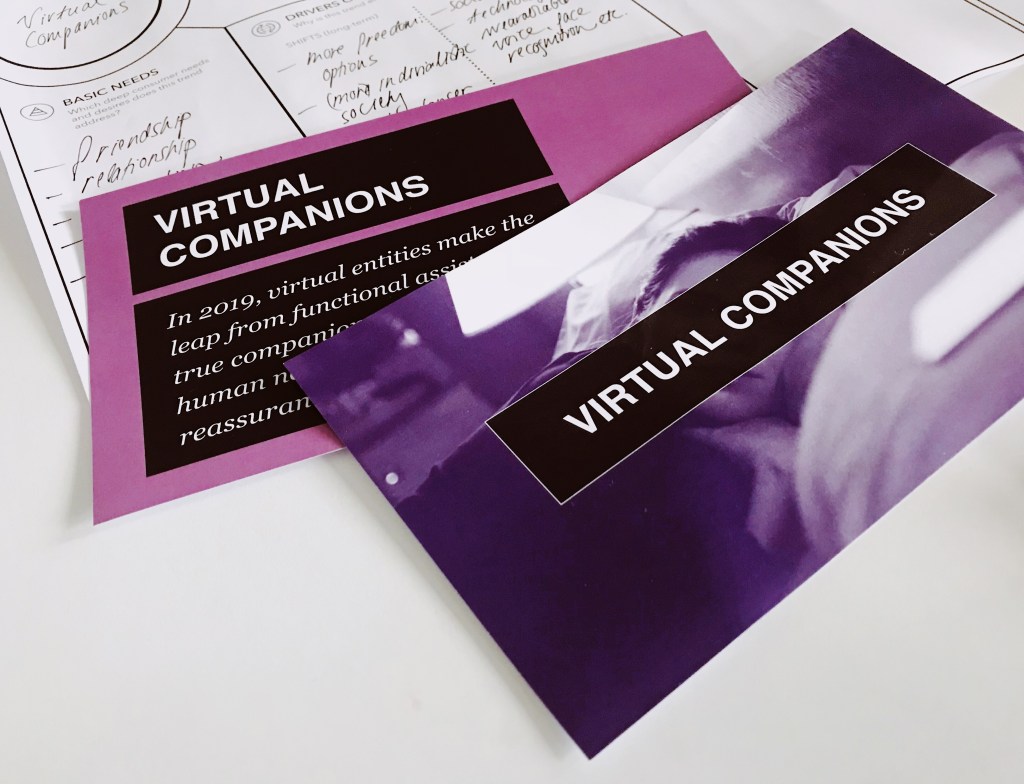
The Era of Disruption as an Innovation Enabler — How to Spot and Scan Trends to Kick-Start the Change?
The future takes time to build, and each day is an opportunity to reflect on and plan for the next day From the Playbook for Strategic Foresight and Innovation by Carleton et al. 2013 The global pandemic outbreak in spring 2020 is continuing to disrupt markets, organizations and even our behaviours. As changes, new needs,…

