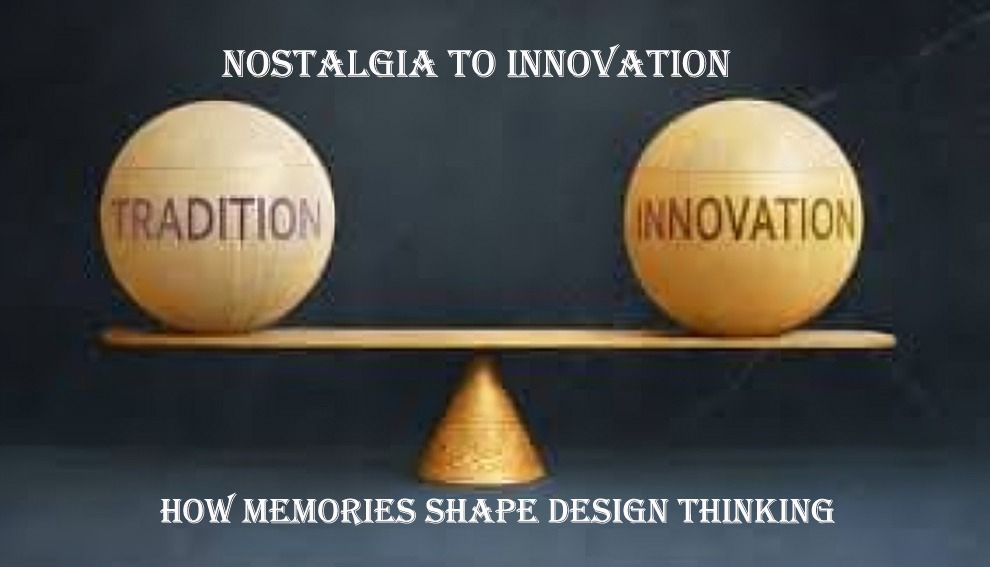
NOSTALGIA TO INNOVATION:How Memories Shape Design Thinking

Written By: Manisha Gurung Rana and Sagar Nepali

In a world driven by rapid growth of innovation, looking back at past memories for design might sound unreasonable. However, new design and innovation are closely related to human nostalgia and the way of people’s life style from past. Our emotion and memories have become a powerful tool in modern design thinking and innovation. Furthermore, Tim Brown gives emphasize on reconnecting consumer’s past experiences to new innovation as successful design thinking.

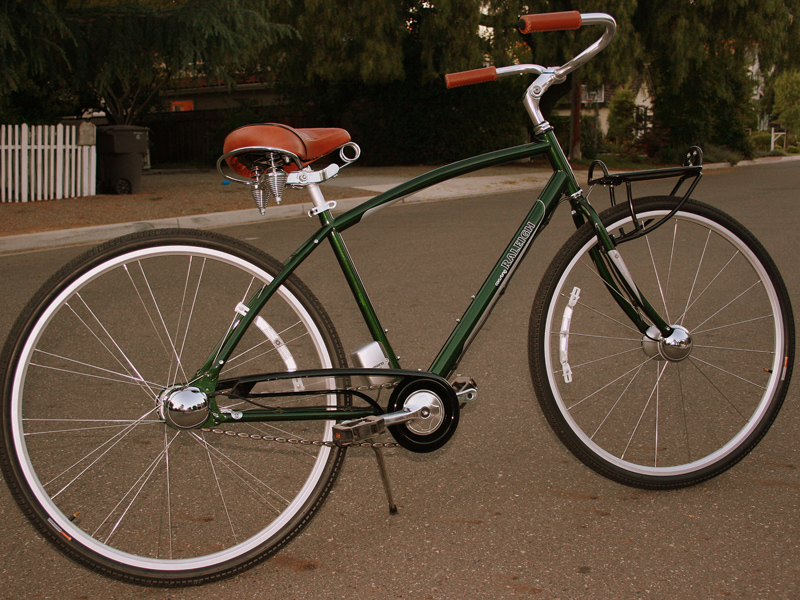
While reading “HOW DESIGN THINKING TRANSFORMS ORGANIZATIONS AND INSPIRES INNOVATION”,it becomes clear that emotions play a fundamental role in design (Brown,2008).In the book he mentioned about the Japanese bicycle manufacturer ‘Shimano in 2004.There he explained how the Shimano and entire team member of the company gained success in inventing coasting bikes by understanding the emotions and memories of American’s consumer relating their past experience of riding cycle in their childhood. In addition, Shimano’s company was able to developed a brand that identified coasting as a way to enjoy life in collaboration of local government, cycling organization, many other people as it passed from inspiration through nostalgia.


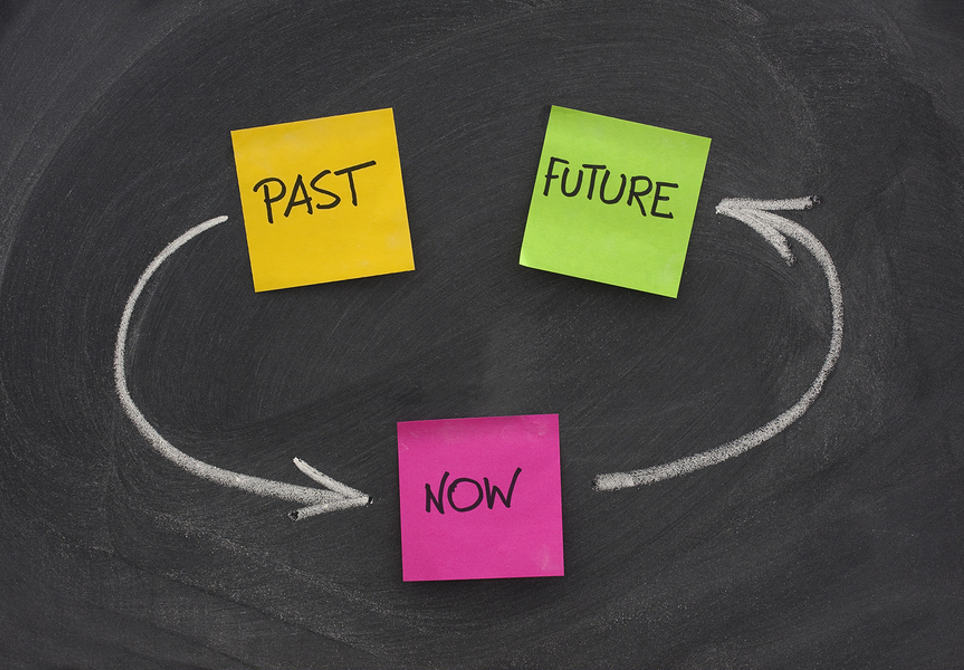
“The Journey of Design Thinking: Past to Future”

According to Johansson-sköldberg,U., Woodilla,J. and Cetinkaya.(2013),Design tries to explains that , in past time design thinking started to known as a creative way of problem solving approach , while today many sector like business and management are using it like a tool of innovation and in future as well design thinking is expecting to grow, but it is essential to maintain its original values and uses.
Design for Human Emotions

Similarly, in his Harvard Business Review article, “Design Thinking Comes of Age,” (Kolko,2015) states that in modern days design thinking has become an organizational culture used to manage the difficulty of business and management. Moreover, Kolko conclude that design thinking has become vital part of human survival as it can create products that people don’t just use, but actually get attached.

As we can see, many company nowadays uses nostalgic elements such as vintage branding, old style packaging to attract consumer. These strategies prove how only innovating totally new product is not enough, instead it has to hold people’s emotion and relate to their past experiences.
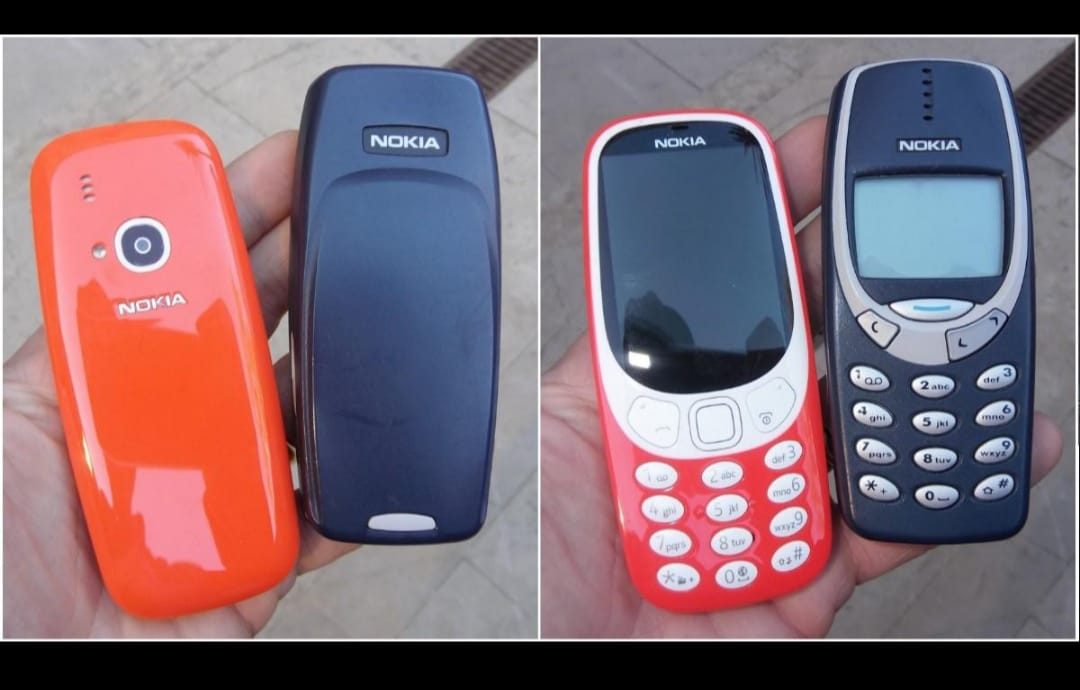
Nokia company relaunch old phones because there are many customers who prefer old model even in modern days because it holds their memories during the first launch of phone apart from that attract users because of its durability features.

To sum up, design thinking should not only fix at inventing new products but also able to understand consumer’s or user’s emotional aspects. After completing TIM BROWN’S human cantered approach in design thinking and innovation, it becomes very clear that nostalgia can be very useful tool in innovation. It helps organization to create solution that are not only fruitful but also deeply connected to human experiences.

References:

Brown, Tim 2009 (or revised and updated edition 2019). Change by design: how design thinking can transform organizations and inspire innovation. New York: HarperCollins Publishers.

Johansson-sköldberg,U., Woodilla,J. and Cetinkaya,M.(2013) Design Thinking: Past Present and Possible Futures.Creativity and Innovation Management. 

Kolko, J. (2015) Design thinking comes of age. The approach, once used primarily in product design, is now infusing corporate culture.Links to an external site. Harvard Business Review September 2015, 66-71.


Posted

in

by

Comments

5 responses to “NOSTALGIA TO INNOVATION:How Memories Shape Design Thinking”

  1. Tripti Sapkota Avatar
    Tripti Sapkota

    I really enjoyed reading your blog because it made me reflect on how design is not only about innovation but also about emotions and memories. Before reading your post, I mostly thought that innovation meant creating something completely new and modern. However, your explanation of nostalgia in design thinking helped me to understand that looking back at past experiences can also inspire meaningful and successful ideas.

    The example of Shimano was especially interesting to me. It clearly shows how understanding people’s childhood memories can influence product development in a positive way. I also liked your point of view about companies using vintage styles and old designs, as I have personally seen how people feel more connected to products that remind them of their past.

    In my opinion, nostalgia is a powerful tool, but it should be used carefully. Designers should balance past inspiration with present needs, because focusing too much on the past might limit creativity or ignore modern challenges.

    Overall, your blog is clear, engaging and easy to understand. It provides me a thoughtful perspective on how emotional connections can play an important role in design and innovation.

  2. juneli dangol Avatar
    juneli dangol

    The blog effectively illustrates how nostalgia acts as a bridge between historical and future innovation. Through Tim Brown’s coasting bike case study, the author provides an example of how patterning into childhood memories can address modern market stagnation.

    Throughout the blog, you successfully combine diverse academic perspectives, from Kolko’s viewpoint on design as an organizational culture to the historical course drawn by Johansson-Sköldberg et al. By giving a perfect example of Nokia, where a new product is not enough, simply being newer or technically better, it must also sustain emotional attachment to the brand, which is often driven by experience.

    Ultimately, the blog makes a convincing case that successful design thinking is not just about problem-solving but about empathy—learning from experience—to direct the future in a way that feels more user-friendly and remains firmly human-centered.

  3. hemantalamsal Avatar
    hemantalamsal

    Your blog offers an insightful and captivating analysis of how nostalgia shapes contemporary design thinking, and you convey the concept in a way that is both relevant and meaningful. You make it very evident that innovation involves more than just coming up with something new, it also involves bringing people back to their emotions and past experiences. Shimano’s coasting bikes and Nokia’s relaunch of vintage phone are two examples of how businesses successfully draw on comfort, familiarity, and childhood memories to produce emotionally desirable products. Your use of concepts from Tim brown, Kolko, and Johansson-sköldberg bolsters your case and demonstrates your comprehension of how human-centered design incorporates emotional experience. Your Work is convincing and easy to understand because of the way you relate academic ideas to practical examples. Although your blog is intelligent, well-supported, and effectively conveys how nostalgia can be a powerful force in molding innovation and design thinking, your message may flow even more easily with slightly better transitions between paragraphs.

  4. durgathapa533adc6832 Avatar
    durgathapa533adc6832

    After going through your blog post, i found your approach to linking nostalgia with an innovative style of presentation. As we can see ,some modern inventions are inspired by past innovations, while others have remained unchanged or disappeared over time. The examples you presented regarding Nokia were particularly very good.

    In my view, contemporary innovation is strongly rooted in earlier technological conceptual developments. Over time, many scientists and scholars developed early forms of technology. For examples , television evolved from older, rounded color screens to today’s Flat-screen models, including Ultra-HD TV’s and 3D display systems.Board games are another nostalgic example. Now we can play almost any of them as app versions, including the games of life, which is available as a virtual download.

    All these innovations carry a sense of nostalgia for consumers. As people’s tastes and preferences evolve, these familiar products are reinvented through new technological advancements. Overall ,technological changing occurs through ongoing improvements in innovation through continuous innovation and extend the lifespan of their products in the marketplace.

  5. Vijay.Pulami.Magar Avatar
    Vijay.Pulami.Magar

    Your blog effectively connects nostalgia with innovation and I really like your example you mentioned regarding Shimano. I also believe that band history and user memories does create emotional depth with the products. The idea that companies revive old designs (like Nokia) is so relevant. 

    I think digital nostalgia is emerging. Retro visuals and classic interfaces are returning in apps and games and people really connect with those familiar elements. However, while nostalgia stimulates empathy in design, it is essential to examine its potential constraints on creative exploration. Thus there should be balance between these 2 factors such that it creates innovation rather than imitation.

    Finally, A lingering question on my mind – will nostalgia for physical objects become more powerful or will digital generation develop entirely new emotional standard?

Leave a reply to Tripti Sapkota Cancel reply