
Remember when as a child you used to build stuff out of everyday things like sticks and sand? Maybe role play as a doctor or a parent? This all comes naturally for children but for some reason we stop playing as adults. It is time to bring those old skills back and put them to good use with design thinking. By incorporating aspects of a designer’s way of thinking anyone can participate in innovating solutions to today’s complex issues. Add a sprinkle of serious play to the mix and you can have a bunch of fun while doing it.
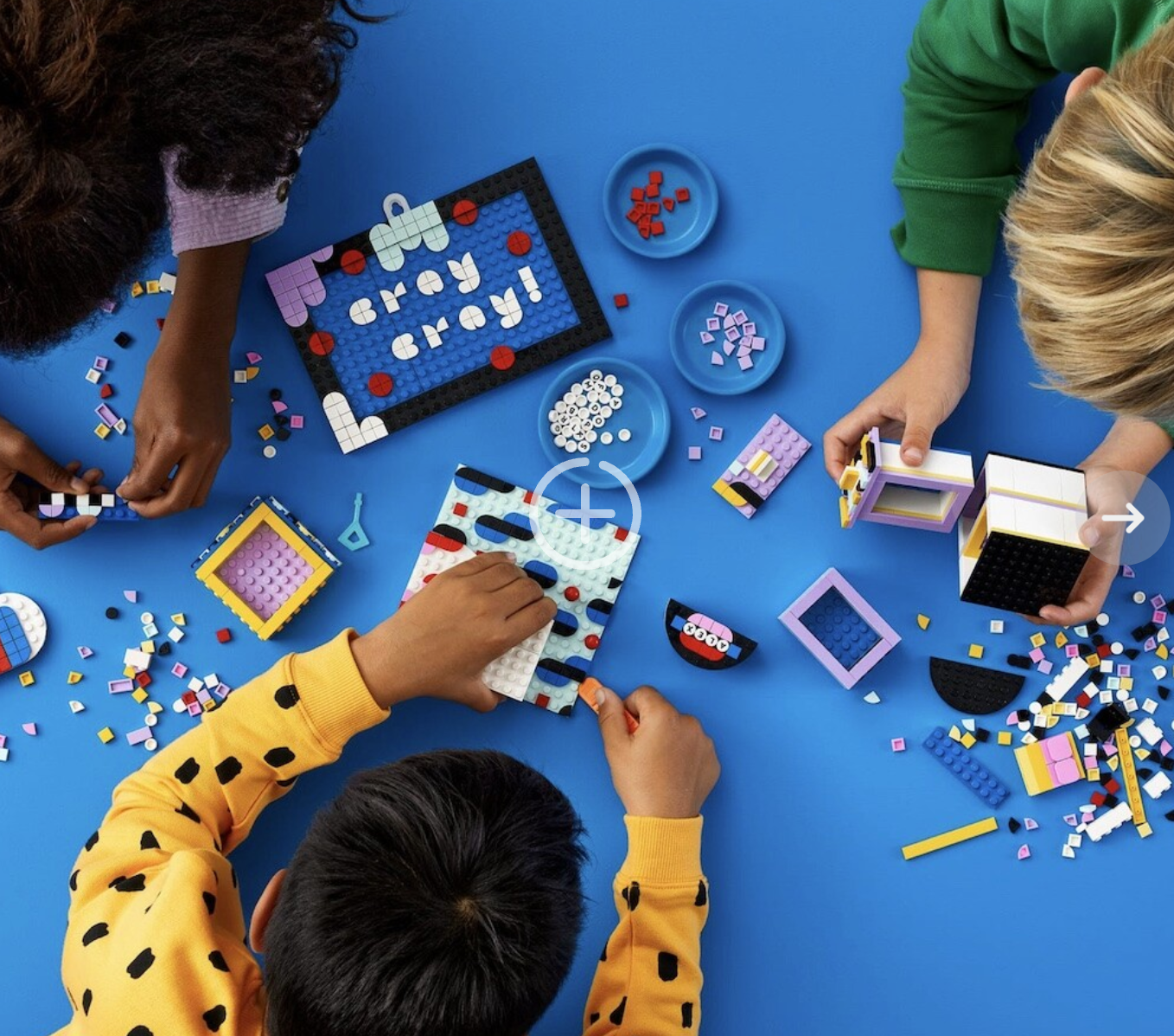
Picture 1: Creation with legos
What is design thinking?
According to Katja Tschimmel (2021), design thinking is a set of tools and models which help the creative processes of multi-disciplined teams. It has found its way to larger organisations as an answer to simplifying the challenges of both modern business and technology. (Kolko 2015.) Through an iterative process of 6 steps a team can innovate solutions to complex problems. These 6 phases (Picture 2) are Understand, Observe, Point of view, Ideate, Prototype and Test (Marzavan, 2023).
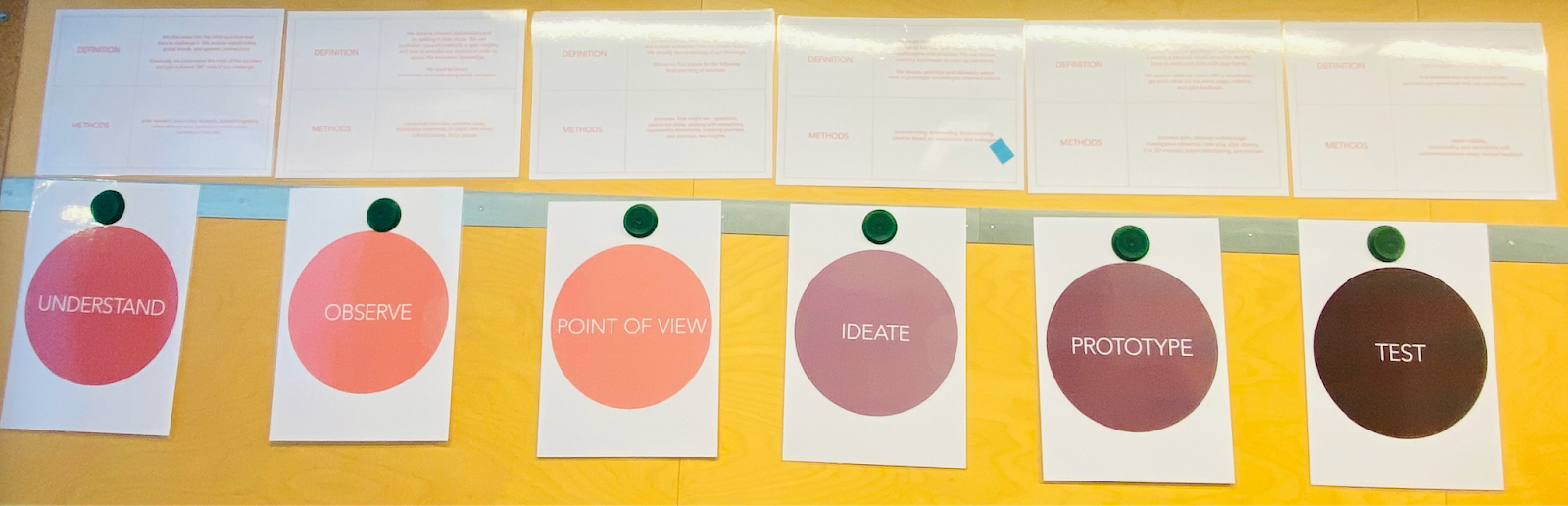
Picture 2: Phases of design thinking
In the Understand phase the aim is to increase understanding of the problem via various kinds of research. The aim of the Observe phase is to find underlying pain points and motivations of the stakeholders related to the problem. This can be achieved using observations, interviews and above all applying empathy to gain insights from other people’s perspectives.
In the Point of view phase we focus on specific persons via questions like “How might we help person X to…”. We might also create personas representing specific types of people and envision stories of how our personas interact with our problem. The Ideate phase is about generating as many ideas as possible. Let your mind go free and create wild, disruptive ideas. Instead of just thinking, use your hands and draw your ideas instead.
The Prototype phase (Picture 4) is all about creating hands-on models. The goal is not to create something working, but to figure out the idea’s strengths and weaknesses and use that to create more detailed and refined prototypes in the future (Brown, 2009). The prototype should be self-explanatory. Show, don’t tell ! Test and validate to fail early by killing your darling ideas if they don’t work.
Picture 3 (Marzavan, 2023) shows how the methods are put together to truly understand the problem and generate ideas to work towards a solution by repeating & iterating as needed. Key sources of design thinking are insight (learning from the lives of others; observation (watching what people don’t do, listening to what they don’t say), and empathy (standing in the shoes (or lying on the gurneys) of others).

Picture 3: How the methods fit together (Marzavan 2023)
“Serious play”
The term “serious play” was popularised by Michael Schrage in his book Serious play: How the world’s best companies simulate to innovate. It refers to the use of play in innovation and problem-solving. It is most well known in the form of LEGO® Serious Play, a methodology developed by the LEGO Group.
During our 2 day workshop with Daniela Marzavan, we learnt how we can use legos to make a prototype to visualise our ideas, and created models which we later tested with our fellow student colleagues. Based on the feedback we received we were able to cocreate a better solution for our problem.
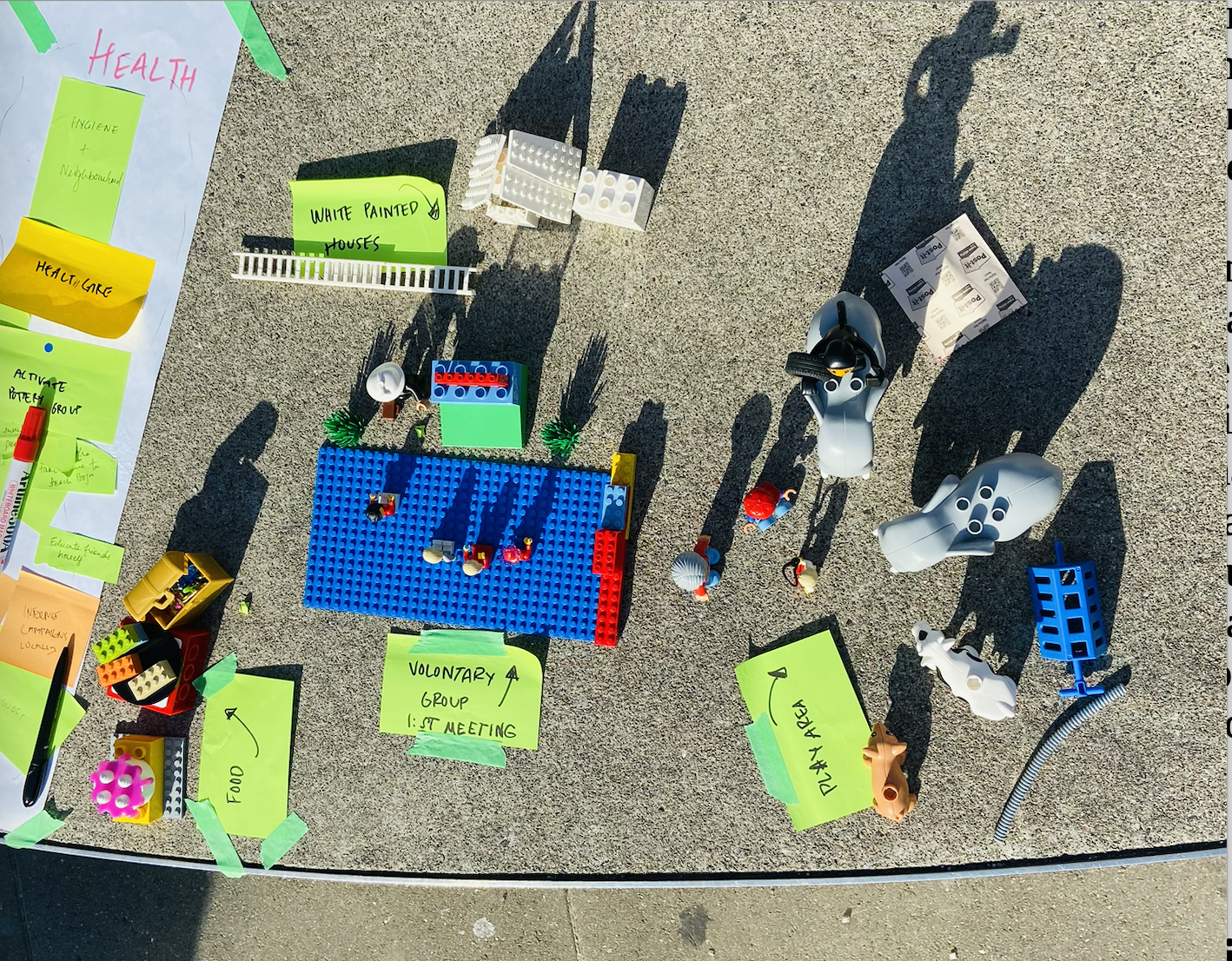
Picture 4: Lego Prototype for challenge: How can we solve the problem of heat islands in cities?
Hopefully we have shown how design thinking and serious play can be used to innovate solutions and thus create a competitive advantage in today’s fast-paced business environment.
Although the problems of the world can be difficult and stressful, solving them doesn’t have to be!
Written by Mani Gupta #SID22 and Tommi Kujanen #SID23 (Service Innovation and Design students)
References
Brown, T. (2009) Change by design: How design thinking can transform organisations and inspire innovation. New York: HarperCollins Publishers.
Kolko, J. (2015) Design thinking comes of age. The approach, once used primarily in product design, is now infusing corporate culture Harvard Business Review September 2015, 66-71.
Kouprie, M & Sleeswijk Visser, F. (2009) A framework for empathy in design: stepping into and out of the user’s life Journal of Engineering Design Vol. 20, No. 5, October 2009, 437–448
Marzavan, D. 2023. Design thinking [lecture material]. Held on 8 and 9 September 2023. Laurea University of Applied Sciences.
Tschimmel, K. (2021). Creativity, Design and Design Thinking – A Human-Centred ménage à trois for Innovation. Perspectives on Design II. Ed. Springer “Series in Design and Innovation”.


Leave a comment