
Design Thinking (DT) and writing a blog post. Other one I know some, other one I don’t know anything. To me DT is the tool I would like to use in so many cases in my daily work. Writing a blog post is a big jump out of my comfort zone. Design thinking must feel same for some people on work environment, so no wonder if it is sometimes so difficult to practice DT methods in different tasks you need to solve on work. I feel that DT tools are just made to find and solve problems and innovate around those.

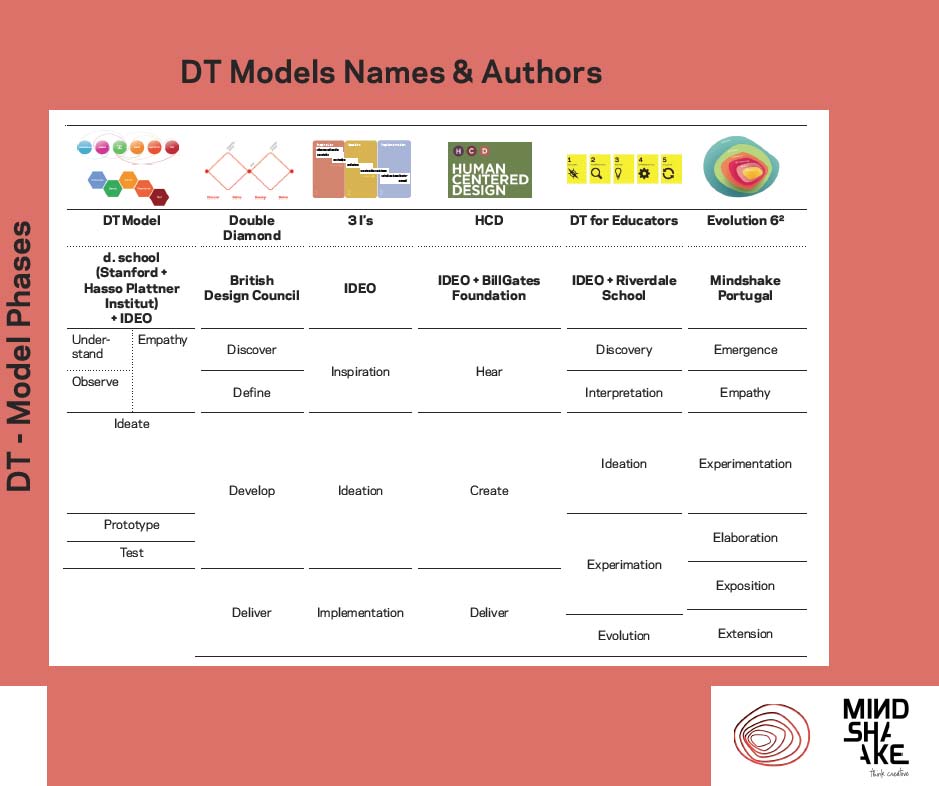
So many models and methods – what to choose?
4.9. first thing on my mind was panic. Because I felt that I haven’t heard all of Katja Tschimmel 36 tools out of Evolution 6² model. And do I need to remember these? There are also so many other models and opinions and what is the right one? After lessons and reading Tim Brown book: “Change by design” I realized that there is still same familiar idea behind these tools and methods; to bring clarity out of fog. And actually I know and have even used many methods. So no panic! I learned that thing is not about using certain tool or method. Tschimmel defines in her article 10 tool categories: Observation, Maps, Personas, Brainwriting, Sketching, Visual and Semantic Confrontations, Storyboard, Rapid Prototyping, Storytelling, Learning experiences/Testing. You can choose the best and most suitable model and method for the case you have today on your desk.

Moment of clarity – I think
I’m a person who likes simple ideas and less is more to me. Simple diamond with Divergent and Convergent thinking; creating choices and making choices, gives the clear idea of the method. You should probably repeat this diamond several times during one task with different DT methods but idea stays same. Start from some point, explore and come back to some point.

Where I should use design thinking and with whom?
When reading these articles and books in every minute I invented new subject in past or current work life where I could use these methods in bigger or smaller lever. I have had privilege to facilitate sometimes workshop with this type of tools. I like to mix different expertise around the area and brainstorm with people. It is nice when you see persons giving ideas even when they seem to be introvert people and sparkle in their eyes when someone actually listen their issues on the subject. Most of all you see the energy when they go back to their normal tasks. I would like to use even in small scale some of the methods in tiny thing in office to solve something faster than making again new linear process chart. That is the challenge still in many work or even hobby based organizations that how to engage people to use DT methods. How to tolerate a moment of uncertainty and not clear subject? How to be sure that we will get to the point when we are ready and know the answer and that we will do it better and more efficient way than just going by straight line? So use it with everywhere and with everyone if you can.
Written by Beada Hiiri
Designer, Service Innovation and Design Master Degree Student
Sources:
Brown, T. (2009) Change by design: how design thinking can transform organizations and inspire innovation. New York: HarperCollins Publishers.
Tschimmel, K. (2012) ‘Design Thinking as an Effective Toolkit for Innovation’ in Proceedings of the XXIII ISPIM Conference: Action for Innovation from Experience.
Design thinking course 4 – 5.9.2015 together with SID classmates, Instructors: Katja Tschimmel & Mariana Valença


Leave a reply to designhiiri Cancel reply