
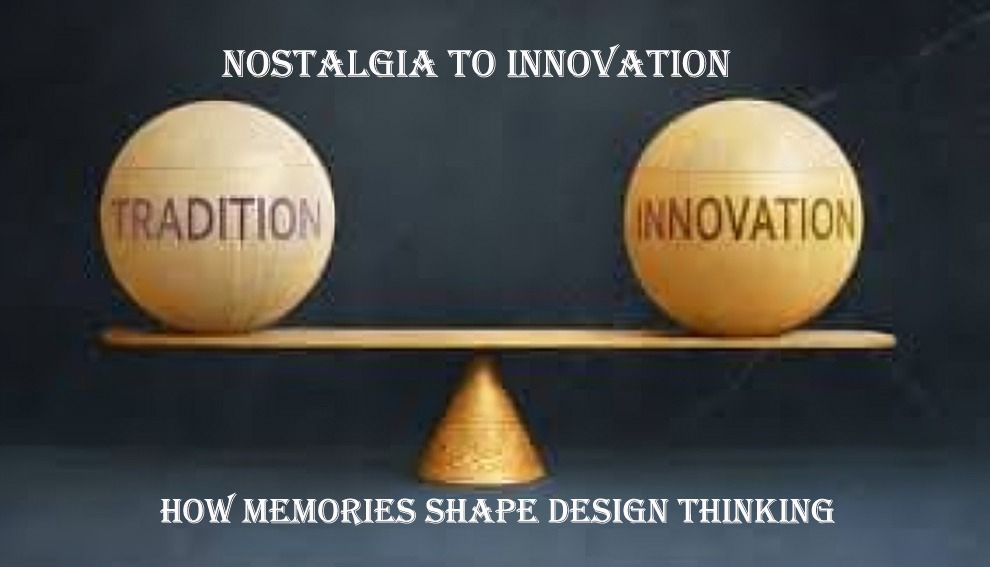
Written By: Manisha Gurung Rana and Sagar Nepali
In a world driven by rapid growth of innovation, looking back at past memories for design might sound unreasonable. However, new design and innovation are closely related to human nostalgia and the way of people’s life style from past. Our emotion and memories have become a powerful tool in modern design thinking and innovation. Furthermore, Tim Brown gives emphasize on reconnecting consumer’s past experiences to new innovation as successful design thinking.
While reading “HOW DESIGN THINKING TRANSFORMS ORGANIZATIONS AND INSPIRES INNOVATION”,it becomes clear that emotions play a fundamental role in design (Brown,2008).In the book he mentioned about the Japanese bicycle manufacturer ‘Shimano in 2004.There he explained how the Shimano and entire team member of the company gained success in inventing coasting bikes by understanding the emotions and memories of American’s consumer relating their past experience of riding cycle in their childhood. In addition, Shimano’s company was able to developed a brand that identified coasting as a way to enjoy life in collaboration of local government, cycling organization, many other people as it passed from inspiration through nostalgia.
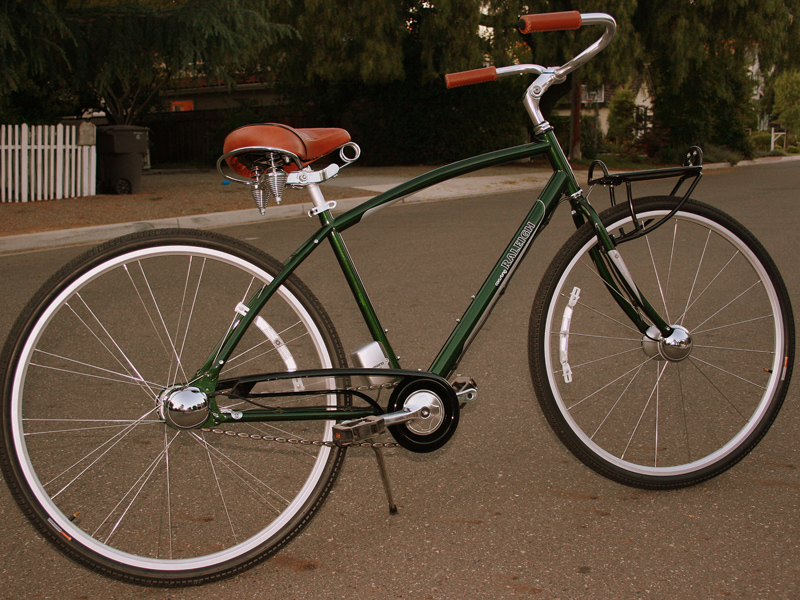
“The Journey of Design Thinking: Past to Future”
According to Johansson-sköldberg,U., Woodilla,J. and Cetinkaya.(2013),Design tries to explains that , in past time design thinking started to known as a creative way of problem solving approach , while today many sector like business and management are using it like a tool of innovation and in future as well design thinking is expecting to grow, but it is essential to maintain its original values and uses.
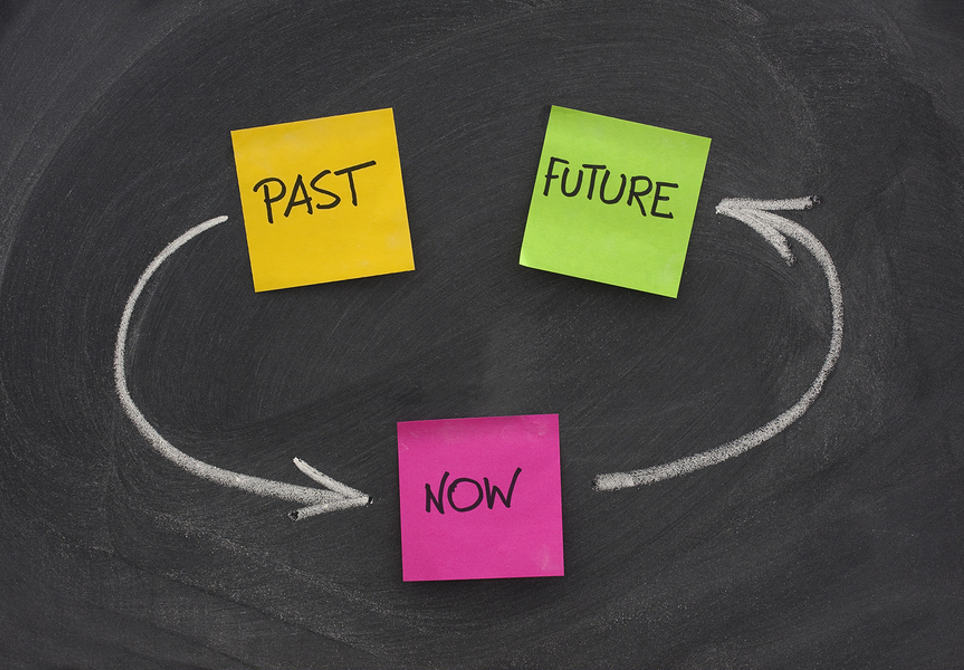
Design for Human Emotions
Similarly, in his Harvard Business Review article, “Design Thinking Comes of Age,” (Kolko,2015) states that in modern days design thinking has become an organizational culture used to manage the difficulty of business and management. Moreover, Kolko conclude that design thinking has become vital part of human survival as it can create products that people don’t just use, but actually get attached.
As we can see, many company nowadays uses nostalgic elements such as vintage branding, old style packaging to attract consumer. These strategies prove how only innovating totally new product is not enough, instead it has to hold people’s emotion and relate to their past experiences.
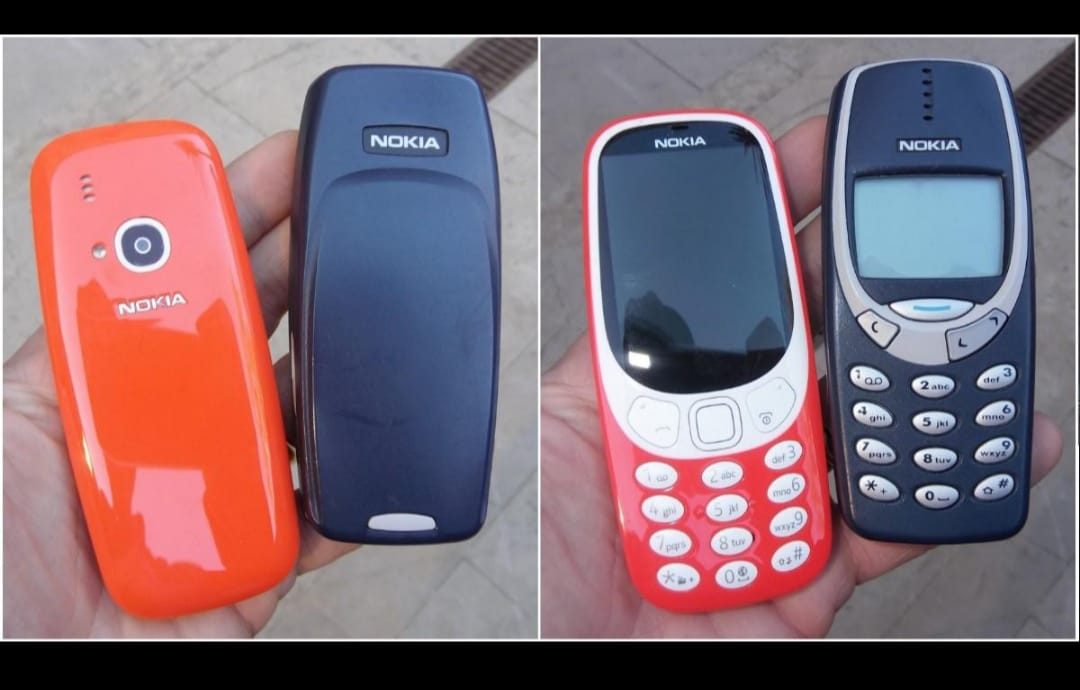
Nokia company relaunch old phones because there are many customers who prefer old model even in modern days because it holds their memories during the first launch of phone apart from that attract users because of its durability features.
To sum up, design thinking should not only fix at inventing new products but also able to understand consumer’s or user’s emotional aspects. After completing TIM BROWN’S human cantered approach in design thinking and innovation, it becomes very clear that nostalgia can be very useful tool in innovation. It helps organization to create solution that are not only fruitful but also deeply connected to human experiences.
References:
Brown, Tim 2009 (or revised and updated edition 2019). Change by design: how design thinking can transform organizations and inspire innovation. New York: HarperCollins Publishers.
Johansson-sköldberg,U., Woodilla,J. and Cetinkaya,M.(2013) Design Thinking: Past Present and Possible Futures.Creativity and Innovation Management.
Kolko, J. (2015) Design thinking comes of age. The approach, once used primarily in product design, is now infusing corporate culture.Links to an external site. Harvard Business Review September 2015, 66-71.


Leave a comment